Oct. 20 2015 Several state reporters from across the U.S. commented that producers had finished or were near finishing their last cuttings of alfalfa and/or grass. Still very modest movement of hay relative to pre
Oct. 20 2015 by Marvin Hall Extension Forage AgronomistPenn State University by Emily GlunkForage Extension SpecialistMontana State University by Ray SmithExtension Forage SpecialistUniversity
Oct. 13 2015 The fall harvest season continues the trend of reduced activity as many farmers are engaged in other field activities. Haymaking equipment has been put away in many parts of the country; expectations
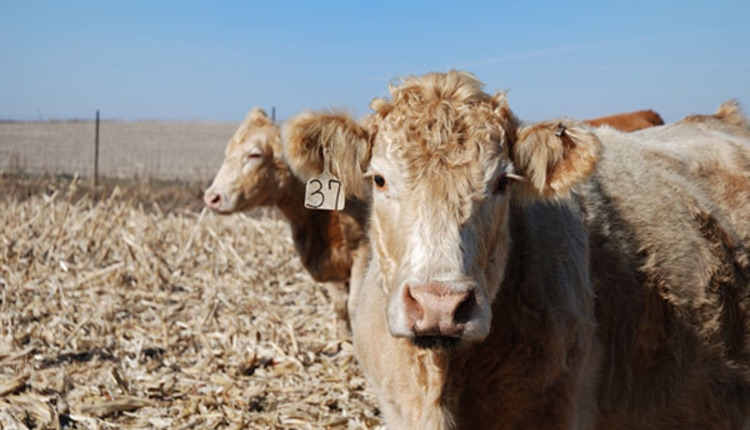
Oct. 13 2015 As combines roll, they leave behind a conglomeration of corn leaves, husks and stalks. Farmers figured out many years ago that this corn residue can provide a relatively low-cost source of nutrition
Oct. 13 2015 The potential for prussic acid (hydrocyanic acid) poisoning has made several appearances on the forage newswire this past week, but for more than one reason
Oct. 13 2015 Road Trip - putnam by Dan Putnam, Extension Forage Agronomist, University of California-Davis, Production has ceased in the Intermountain alfalfa fields, but still continues in th
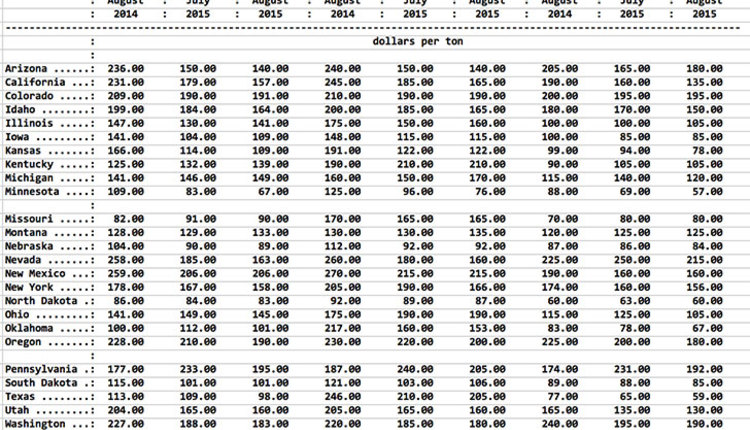
Oct. 6 2015 Prices for all hay and alfalfa declined about $10 per ton from July to August in the most recent NASS Agricultural Prices report. In most states, prices either remained steady or declined. Alfalfa pri
Oct. 6 2015 Ruminant animals are engineered to consume forage, and feeding a high percentage of the dairy diet as forage provides many potential benefits. At World Dairy Expo last week, Kenneth Kalscheur
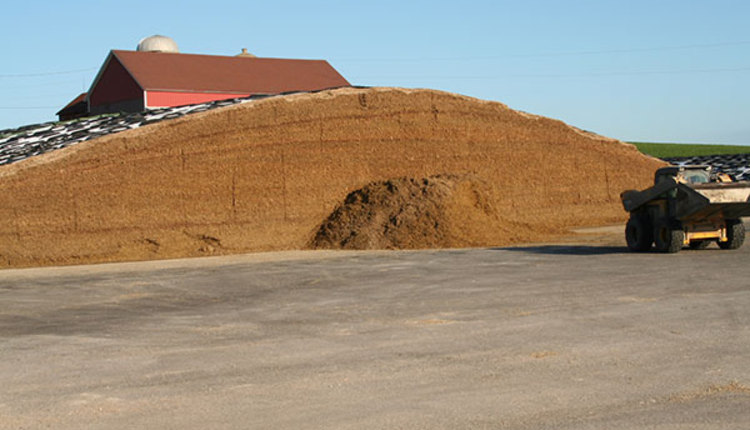
Oct. 6 2015 With most hay and corn silage now tucked away for the winter, it’s probably a good time to remind all of those who work around bunker and pile silos that feedout faces are always subject to collapse
Oct. 6 2015 By Glenn Shewmaker, Extension Forage Specialist, University of Idaho Most of the last cutting of alfalfa hay was harvested without rain. Yields looked good because of moderate temperatures and...
Oct. 6 2015 In terms of market movement...it's not much, but several reporters noted somewhat improved demand over last week. Below are examples of alfalfa and grass prices being paid FOB per ton
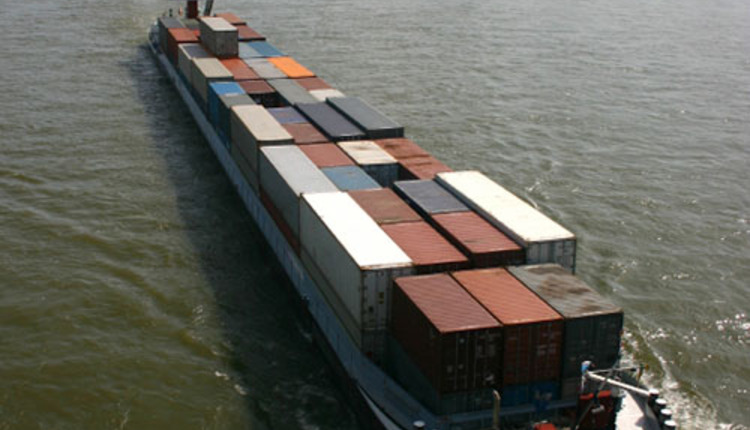
Sept. 29 2015 At last week's National Hay Association Convention in Lancaster, Pa., the director of the U.S. Forage Export Council, John Szczepanski, reported on the status of U.S. hay exports
Sept. 29 2015 The low demand beat goes on . . . Below are examples of alfalfa and grass prices being paid FOB per ton (except for those noted as delivered, which is indicated by a "d" in the table below) for selected...
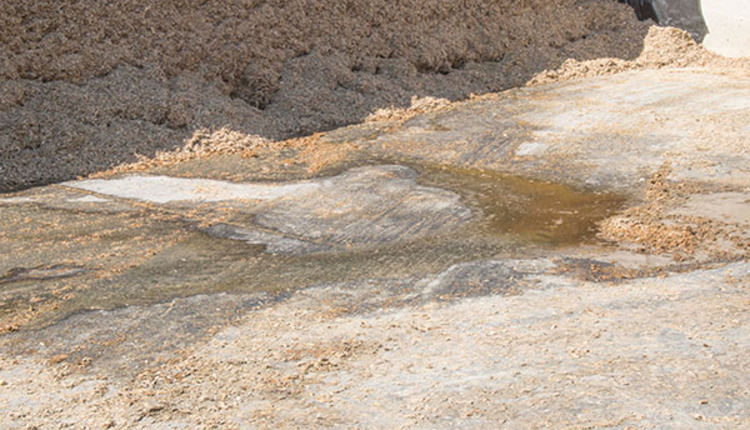
Sept. 29 2015 Recent research results undertaken by the University of Wisconsin Discovery Farms has documented that runoff occurs from feed storage areas during 60 percent of precipitation events. This compar
Sept. 29 2015 By Ev ThomasAgronomistOak Point Agronomics, New York Corn silage harvest is in full swing, with many farms already finished. Conditions have been ideal — warm and sunny, and no rain of consequence
Sept. 22 2015 If climate change becomes a reality as nearly all scientists predict, how will predominantly cool-season grass pastures adapt to the potential changes in temperature and precipitation during future growing...
Sept. 22 2015 Amidst the hoopla of the best dairy show cows in North America, World Dairy Expo will also offer plenty for forage producers to do, see and learn. The gigantic trade show will host a plethora of compa
Sept. 22 2015 The steady, low volume trend rolls on. Below are examples of alfalfa and grass prices being paid FOB per ton (except for those noted as delivered, which is indicated by a "d" in the table below)
Sept. 22 2015 by Marvin Hall Extension Forage Agronomist, Penn State University, Dry weather during much of August and September has been great for harvesting perennial forages and corn silage