Past Issues
Subscribe
Hay
Alfalfa
Grasses
Storage
Hay Quality
Other
Silage
Corn Silage
Hay Crop
Silage Quality
Other
Storage
Livestock
Dairy
Beef
Grazing
Market
Equipment
Farms
Farm Visits
Hoard's Dairyman Farm
Blogs
Issues
Issues
First Cut
Shop Talk
Alfalfa Checkoff
Hay Pellets - News Tidbits
Events
Biz
Contact
Managing Editor
Senior Editor
Advertising
Subscribe
Hay
Hay
Alfalfa
Grasses
Storage
Hay Quality
Other
Silage
Silage
Corn Silage
Hay Crop
Silage Quality
Other
Storage
Livestock
Livestock
Dairy
Beef
Grazing
Market
Equipment
Farms
Farms
Farm Visits
Hoard's Dairyman Farm
Blogs
Issues
Issues
Issues
First Cut
Shop Talk
Alfalfa Checkoff
Hay Pellets - News Tidbits
Events
Biz
Contact
Contact
Managing Editor
Senior Editor
Advertising
Home
/
Top Stories
Equipment leases aren’t what they used to be
Protect the protein
We’re doing more with less in our pastures
Realize profits, rain or shine
Where’s the phosphorus?
Forage fiber metabolism differs in dairy cows
Forage Flashes
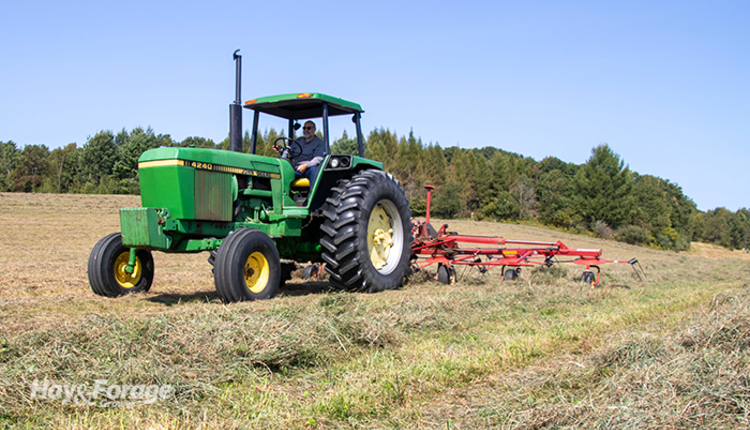
Tedding hay has its trade-offs
Forage Flash
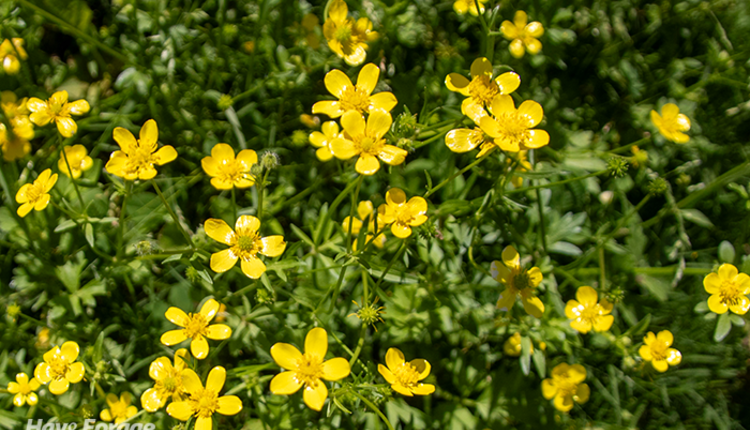
The buttercup battle
Forage Flash
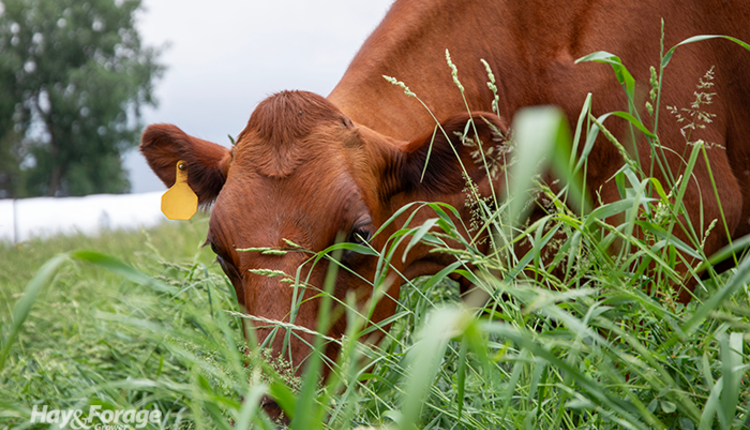
Summer annuals can double as stockpiles
Forage Flash
Teach an old pasture new tricks
Forage Flash
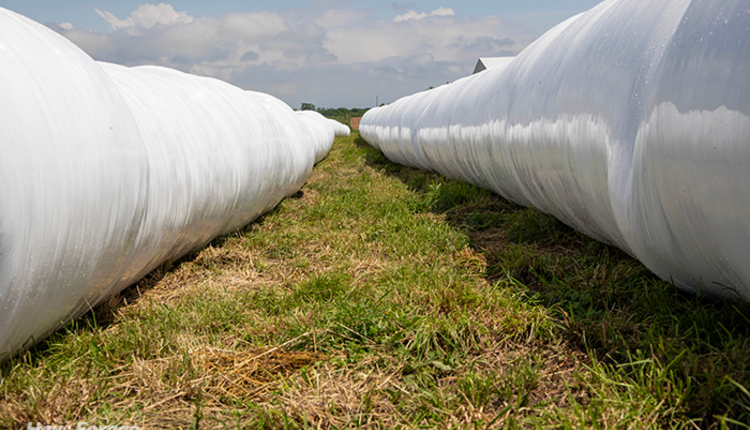
Make baleage, not wastage
Forage Flash
What’s the best hay for horses?
Forage Flash
Guest Blog
High-quality hay takes a proactive approach
Envu 250601
Hay Biz
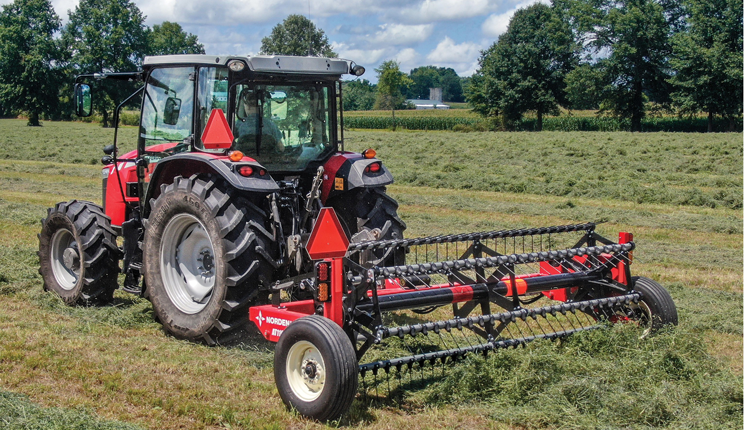
Norden Mfg. Announces New Product
Hay Biz
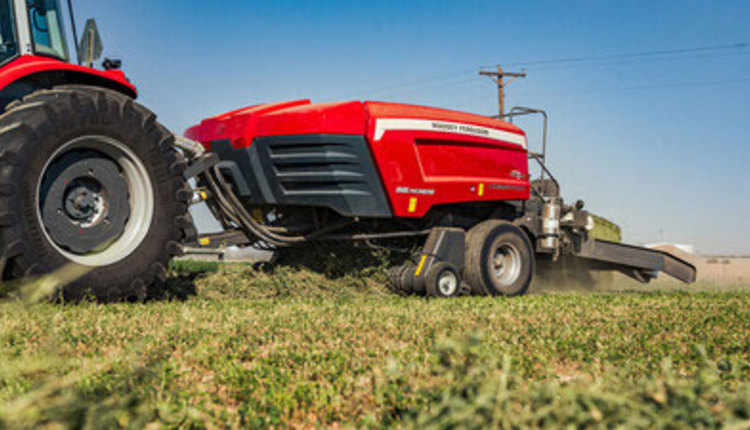
Massey Ferguson Launches Double Small Square Baler
Hay Biz
..