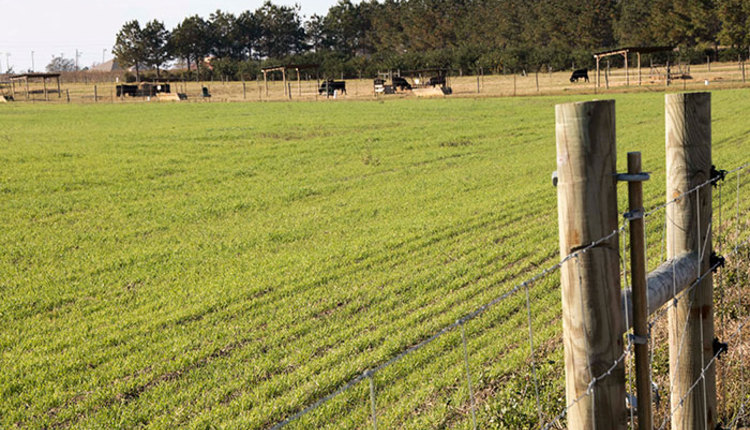
Nov. 21 2017 Grazing winter annuals in the South reduces the need for storing winter feed and providing additional supplements; however, their effectiveness and productivity hinge largely on providing a nutritiona
Nov. 14 2017 Failing to stock up enough winter feed can leave producers in the cold. Glenn Selk, Oklahoma State University emeritus extension animal scientist, looks at how cows utilize forage and their intake to
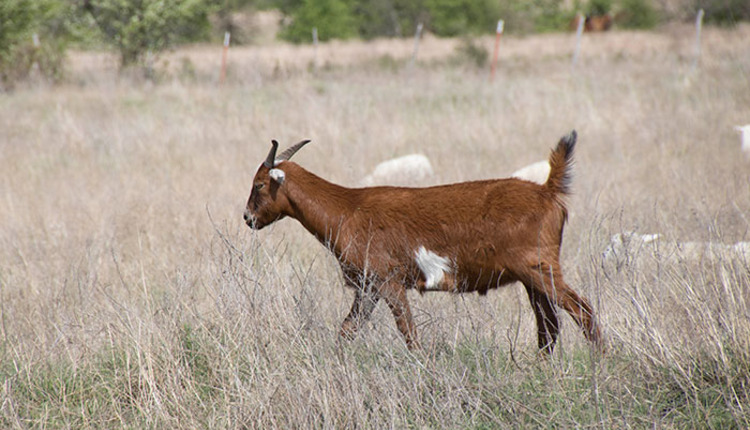
Nov. 7 2017 “Multispecies grazing can be used to more effectively utilize all of the browse and forage in pastures, target weeds and brush, and reduce parasite loads across pastures,” says Rob Cook, planned...
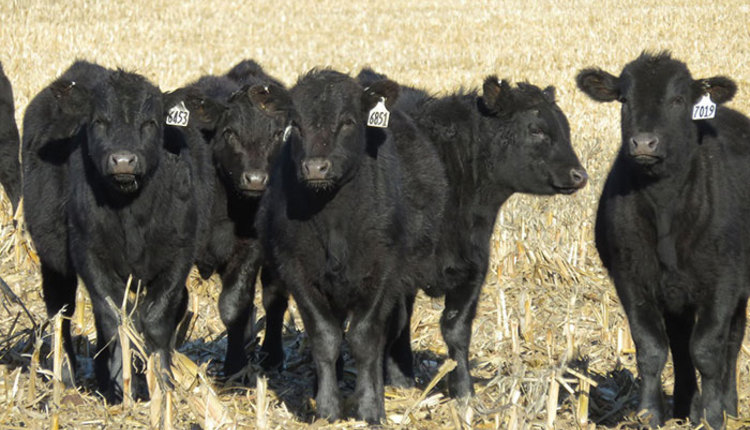
Oct. 31 2017 Whether a producer strictly grows row crops or raises cattle, utilizing the corn residue as a forage has long been an option for not only cows but also for growing heifers and backgrounding calves. �
Oct. 24 2017 When it comes to evaluating forage particle size distribution in mixed rations, few tools are as effective and widely used as the Penn State Particle Separator (PSPS). This tool is used on many
Oct. 17 2017 As winter sets in, much of the Southern Plains will once again turn toward wheat pastures for their grazing needs. With adequate rainfall, this wealth of protein and energy could be available to many
Oct. 10 2017 “Once pastures have been stockpiled for late fall and winter grazing, how they are utilized can dramatically impact grazing days per acre,” begins Chris Teutsch, forage extension specialist...
Oct. 3 2017 As fall ushers in cooler weather, producers often see revitalized pastures shortly before productivity drops off for the winter. While this is great for tall fescue and orchardgrass, it can also prove
Sept. 19 2017 Advanced pasture management tools could be right at your fingertips in a few years. The University of Missouri (MU) Extension is in the process of creating a mobile application to aid decision-making
Sept. 12 2017 Attaining perfect pastures may be less work than previously believed. Growers sometimes strive for complete control over weeds in order to maintain textbook monoculture pastures. Chris Teutsch, extens
Sept. 5 2017 Production agriculture has always been and will always be a gamble. Growing forages is no different. Ensuring productive stands next growing season starts this season, as the final cutting date affect
Aug. 22 2017 Providing additional feed is a relatively common practice throughout the summer months to boost gains on unproductive pastures. However, producers trying to “stretch the grass” by feeding suppleme
Aug. 22 2017 While certainly not a blessing, drought isn’t always a total loss. Kris Ringwall, extension beef specialist at North Dakota State University (NDSU), explains that tough times often result in the...
Aug. 15 2017 If cows were born to eat grass, why are lactating dairy cows rarely fed grass forages? The answer, according to Pat Hoffman, is simply that as modern dairies have advanced in production, they h
Aug. 15 2017 The phrase, “Do it right or not at all,” speaks volumes to many. This sage advice passed down for generations can be applied to numerous situations — including fall forage establishment....
Aug. 8 2017 As critical drought conditions plague North Dakota, producers in Michigan are stepping in to lend a hand. North Dakota Department of Agriculture (NDDA) and the North Dakota State University&nbs
Aug. 8 2017 Soil health experts champion the idea of using cover crops for a variety of reasons. As defined by the Natural Resources Conservation Service (NRCS), cover crops control erosion, maintain soil health
Aug. 1 2017 There’s no question that soil health is key to the sustainability of a grazing operation. What is in question, however, is the actual effect of winter bale grazing on soil health. Simply put, many...
Aug. 1 2017 (From left) Jessica Jurcek, Kirsten Jurcek, and Weenonah BrattsetFor Kirsten Jurcek, operating a grass-fed and finished beef farm is sustainable not only to her family, but to the land as well. Jurcek...
July 25 2017 When life gives you drought, make corn silage from your stressed grain crop. As dry conditions wear on in the Upper Plains, some producers are considering salvaging their corn cash crop as feed. “I