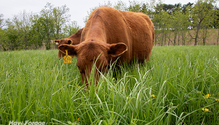
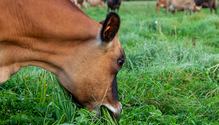
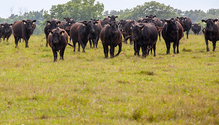
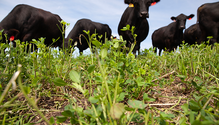
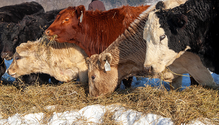
At its core, grazing isn’t that complicated. Animals have been eating on their own without any help from humans for centuries. The challenges begin when spaces become confined and animal numbers
As the calendar turned to April this past week, it marked the start of alfalfa’s spring-seeding season in many regions. Spring alfalfa seedings must typically run a gauntlet of weather conditions
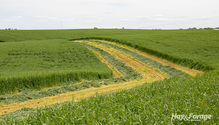
Winter cereals are grown for a variety of agronomic and nutritional reasons. Moreover, cereal silage is utilized as feed for just about every large ruminant animal type and class, but no group demands
There are a lot of farmers who probably wish their ancestors had kept the Conestoga wagon moving before dropping anchor on a plot of land that would challenge family farm generations to come. There ar
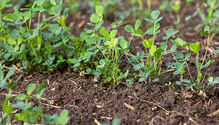
It’s hard to have grazing success without a good forage base. But what forage species constitute a productive pasture?Jason Cavadini often finds himself trying to answer the question “What
Harvesting winter cover crops — including triticale — can add a considerable cushion to forage inventories. Many dairies rely on cover crop silage for heifer and dry cow feed, but according
In almost all cases, farmers get caught in the cross fire of military conflicts. When such conflicts involve key producers of agricultural inputs or their raw materials, the impact intensifies.Markets
Gray hair and wrinkles may be defining features of old age, but I’ve heard those characteristics also come from stress, anxiety, and raising rowdy kids. Similarly, quality loss in older hay is not
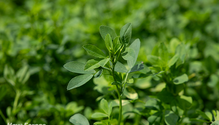
Few forage species require the level of management needed for alfalfa. From field establishment to the feedbunk, alfalfa growers need to be on top of their game to realize the crop’s potential.Perha
As the calendar turns to March, the anticipation of greener cool-season pastures heightens, and there’s hope that the winter drudgery of feeding stored forage will soon come to an end.Although the
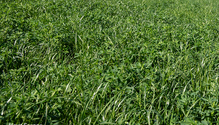
Alfalfa generally gets along just fine when seeded alone, but adding a perennial grass dance partner offers some benefits, especially on soils where pure alfalfa stands are challenged by drainage or f
Warm-season grasses aren’t miracle forages, but they have a rightful seat at the table in Southern hay and grazing systems. Although they tend to be lower quality than their cool-season counterparts
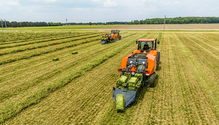
After a quarter century of few, if any, significant changes to the small-square baler market, yet another high-capacity, so-called double baler is now available. Kubota Tractor Corporation entered the
Stockpiling forage is a proven way to extend the grazing season through the fall and into the winter. Doing so also saves on hay-feeding costs and prevents mud and ruts that would otherwise form
Winter cereals serve the role of utility player for supporting the production of meat and milk. Planted in the fall, they can be grazed in late fall and/or spring, harvested as silage, or simply termi
Fast-growing spring forages have always been a blessing and a curse. The blessing is that cattle can switch to getting their primary nutrition from pasture rather than stored feeds and their associate
For many people in the dairy industry, the phase-out of brown midrib (BMR) corn is akin to losing the four-wheel drive option in a pickup truck. Sure, the pickup will go most places, but there will be
Below-freezing temperatures, negative windchills, and winter storm warnings don’t exactly spell “spring,” nor do those conditions bode well for spring calving season. In addition to inclement
Alfalfa has long held a tenuous position in the grazing world. Many pasture enthusiasts want nothing to do with it. Others may include it in paddocks at a low density. Finally, there is a minisc
Jeff Lehmkuhler has helped guide beef farmers for two and half decades, but he’s never seen lower hay quality than what he witnessed in 2025. The University of Kentucky extension beef speciali