Past Issues
Subscribe
Hay
Alfalfa
Grasses
Storage
Hay Quality
Other
Silage
Corn Silage
Hay Crop
Silage Quality
Other
Storage
Livestock
Dairy
Beef
Grazing
Market
Equipment
Farms
Farm Visits
Hoard's Dairyman Farm
Blogs
Issues
Issues
First Cut
Shop Talk
Alfalfa Checkoff
Hay Pellets - News Tidbits
Events
Biz
Contact
Managing Editor
Senior Editor
Advertising
Close
Subscribe
Hay
Hay
Alfalfa
Grasses
Storage
Hay Quality
Other
Silage
Silage
Corn Silage
Hay Crop
Silage Quality
Other
Storage
Livestock
Livestock
Dairy
Beef
Grazing
Market
Equipment
Farms
Farms
Farm Visits
Hoard's Dairyman Farm
Blogs
Issues
Issues
Issues
First Cut
Shop Talk
Alfalfa Checkoff
Hay Pellets - News Tidbits
Events
Biz
Contact
Contact
Managing Editor
Senior Editor
Advertising
Home
/
Top Stories
Hay exports suffered this spring
Choose tires that haul heavy and tread light
Sweetclover hay has a sour side
Tar spot affects silage quality, too
Flex your adaptive grazing muscles
From potholes to pot roast
Forage Flashes
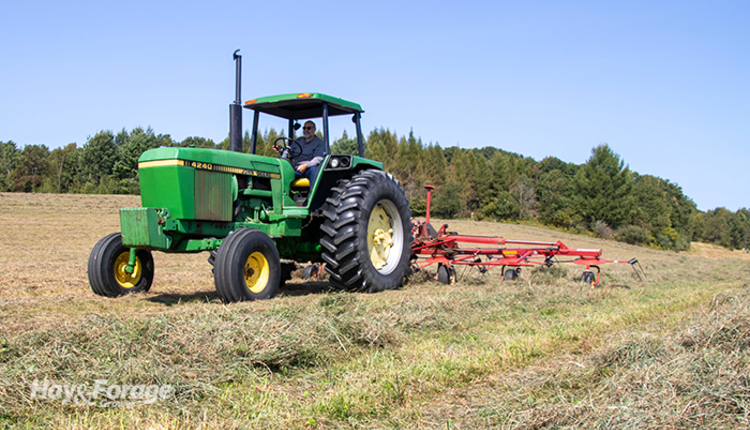
Tedding hay has its trade-offs
Forage Flash
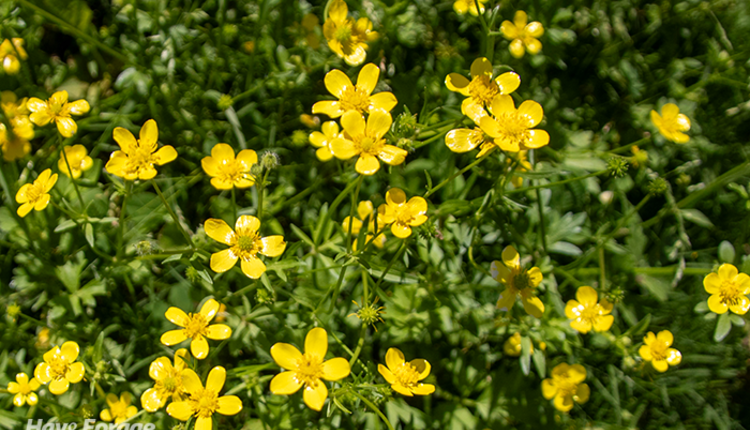
The buttercup battle
Forage Flash
Summer annuals can double as stockpiles
Forage Flash
Teach an old pasture new tricks
Forage Flash
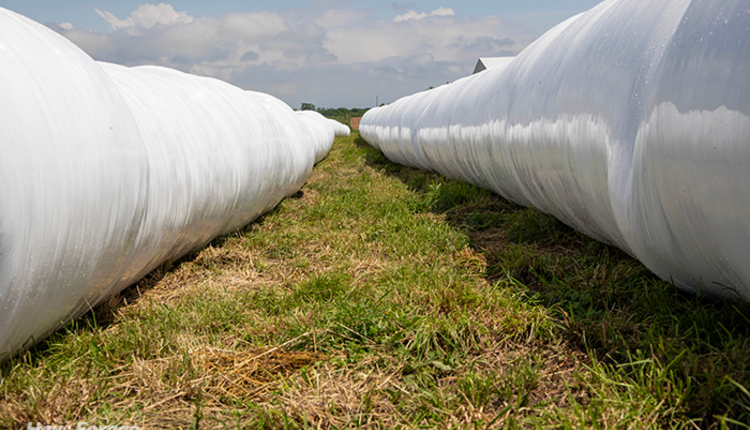
Make baleage, not wastage
Forage Flash
What’s the best hay for horses?
Forage Flash
Guest Blog
High-quality hay takes a proactive approach
Envu 250601
Hay Biz
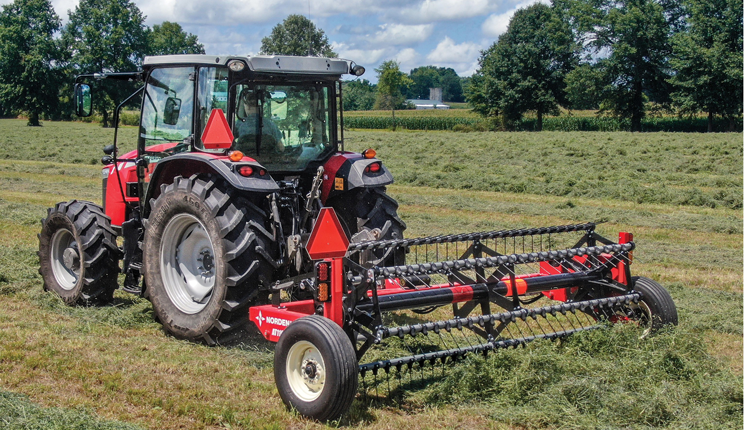
Norden Mfg. Announces New Product
Hay Biz
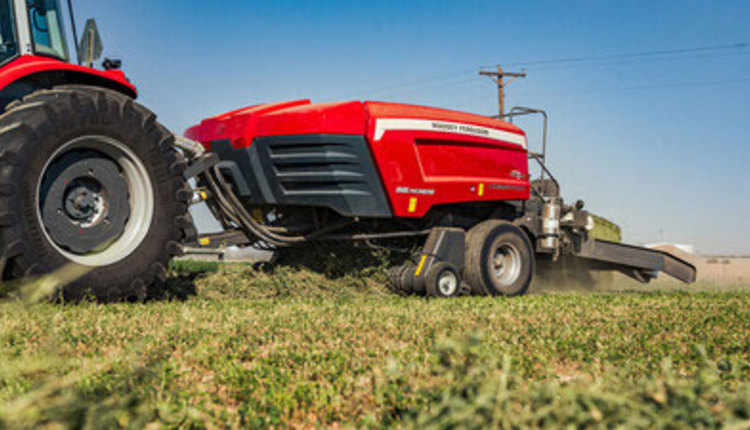
Massey Ferguson Launches Double Small Square Baler
Hay Biz
..