Jan. 18 2022 The annual release of hay and forage data by USDA that defines the previous year’s hay production and year-ending inventories arrived in email inboxes last Thursday
Jan. 18 2022 With fertilizer currently priced at about $1 per unit of nitrogen, farmers and extension specialists are turning over every rock to try to find economical means of producing forage without buying a lot...
Jan. 11 2022 The current drought in the West has likely had no greater impact on other agricultural entities than on alfalfa, according to Dan Putnam, the longtime extension forage agronomist
Jan. 11 2022 Photo: Eldon Cole, University of MissouriThe symptoms of a bad case of fescue toxicity are well-documented. One symptom — fescue foot — can become more apparent when temperatures drop during...
Jan. 4 2022 Selecting a grass species or variety for the production of hay or pasture forage isn’t a decision that should be made without some careful thought. In fact, an argument could be made that selecting
Jan. 4 2022 We’ve now turned the calendar to a new year, and this is a good time to take stock of stored forage inventories, knowing that any forage additions at this point can only be accomplished by withdrawa
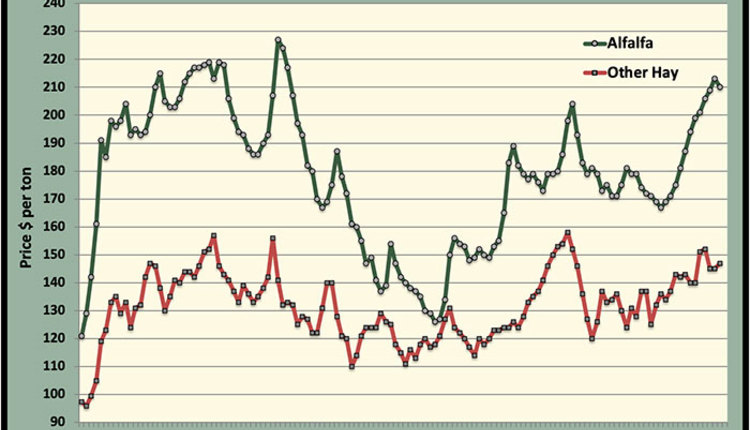
Jan. 4 2022 Nothing lasts forever — the string of 11 consecutive months with month-over-month alfalfa price gains has come to an end. The November alfalfa price dropped $3 per ton to $210, which was still $46...
Dec. 31 2021 Somewhere at the intersection of dry hay and chopped haylage you’ll find baleage, and that crossroads is getting more crowded with each passing year
Dec. 31 2021 In his book Sisyphus in the Hayfield: Views of a Berkshire Farmer, author and dairy farmer Walter Howard wrote: “Hay and I start the season as friends
Dec. 28 2021 One year ago, alfalfa hay prices were in an epic stall pattern dating back to mid-2019. The average price for alfalfa hay (all qualities) essentially hovered in the $170 to $180 per ton range for month...
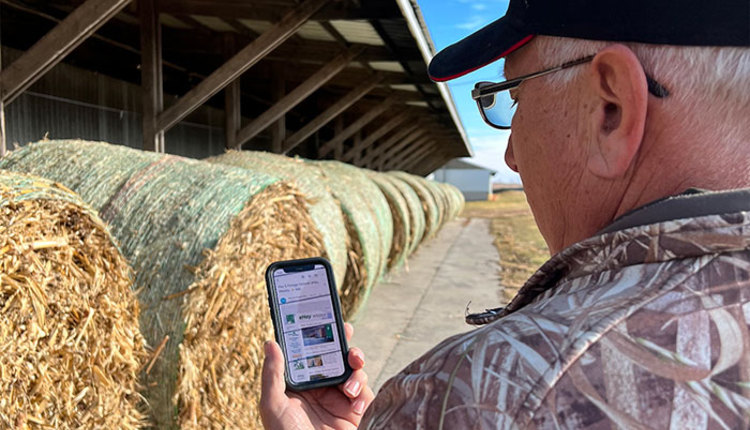
Dec. 28 2021 It’s been another year of farm and ranch struggles and successes. If you weren’t always locked in on eHay Weekly every Tuesday morning, here’s a list of the 10 most popular articles that...
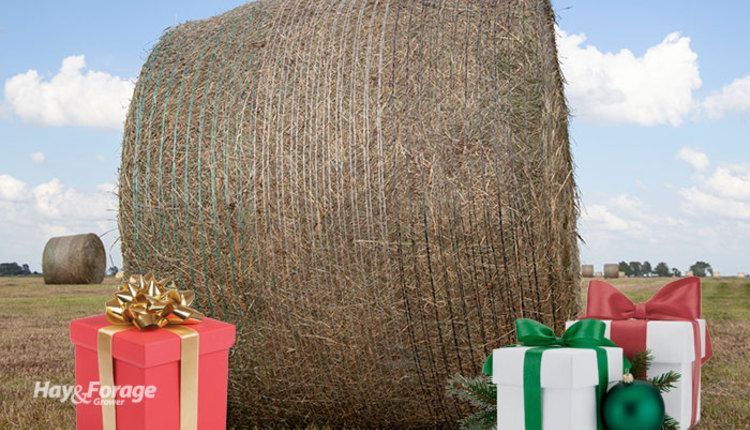
Dec. 21 2021 There will be a lot of gift wrapping going on this week. It’s my opinion that the ability to wrap gifts correctly and neatly is a genetic trait that is either inherited or must be learned
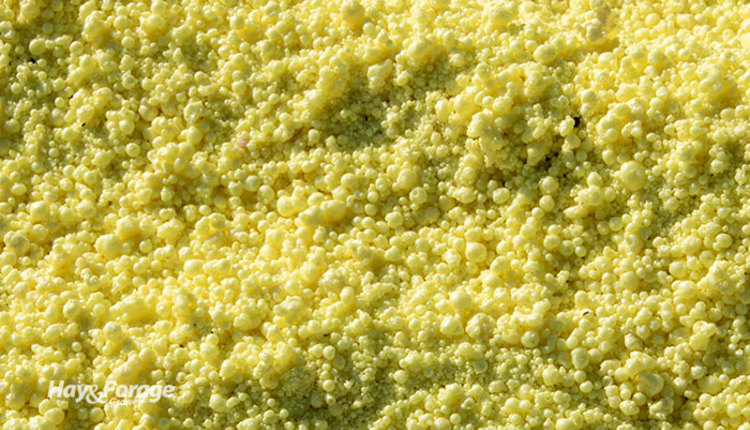
Dec. 21 2021 Since the Clean Air Act of 1970 was enacted, precipitation that is laden with sulfur, dubbed acid rain, has all but disappeared. That’s a good thing, but this change has some agronomic ramifications
Dec. 14 2021 It was an easy sell . . . well . . . kind of. As an extension agent in one of the biggest dairy counties in Wisconsin, the large majority of farmers I worked with had corn-alfalfa rotations with
Dec. 14 2021 Photo: Wayne Coblentz, USDA-ARSIn a recent social media post, a beef producer was bragging about the fact that his cows were loving some hay that was put up too wet. “It got hotter than it should...
Dec. 7 2021 Greg Halich is an economist by trade. He puts together full and partial budgets on everything from corn to hay and spends time in the classroom molding younger minds about the intricacies of futures a
Dec. 7 2021 Winter annual cereal crops provide beneficial soil cover through the late fall, winter, and spring, but they also are an excellent forage source that can be incorporated into dairy rations
Nov. 30 2021 Patience is a virtue for many things in life, and it’s certainly a desirable trait when grazing small grain forages. “Research indicates that forage intake and animal performance is limited...
Nov. 23 2021 It was a trifecta of market movers that drove hay prices to record levels in 2021. That trio of factors included drought, economic fallout from the COVID-19 lockdown, and a significant commodity