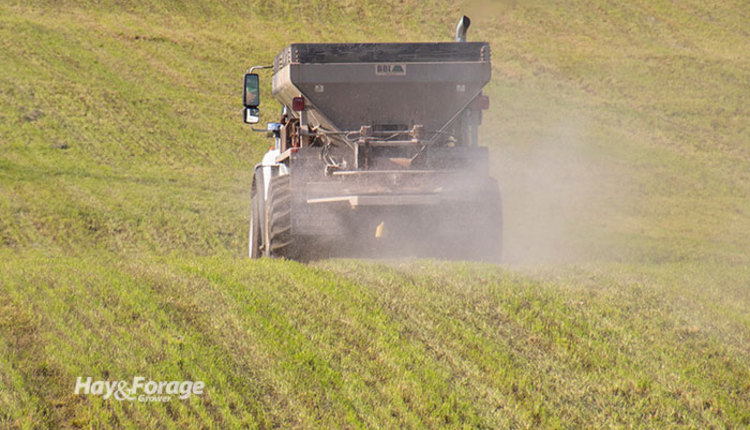
Nov. 23 2021 You can’t starve a profit into a cow. The same can be said for a hayfield, according to Ohio State University Extension Educators Stan Smith and Chris Penrose.As fertilizer prices reach historic...
Nov. 16 2021 Now that mowers and balers are safely tucked away in machine sheds, and the focus shifts to marketing and selling the summer’s bounty. Hay marketing is a business that is built on trust and hon
Nov. 10 2021 While in high school, I got a job on a dairy farm near our home in northeast Ohio. It was common for farms in that area to have large woodlots, which provided supplemental income
Nov. 10 2021 Seeding alfalfa in the spring, with or without a small grain companion crop, remains the popular approach for stand establishment in much of the northern United States
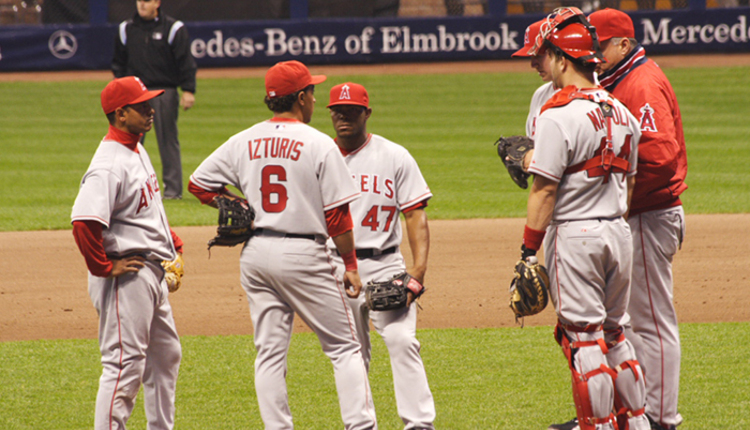
Nov. 9 2021 This year’s World Series turned out to be a battle of relief pitchers. In nearly every game, the starters were in the shower before the fifth inning — often, long before.One might make the...
Nov. 9 2021 In Southern beef systems, the need for forage often comes in the fall. This is when warm-season summer pastures have played out but before fall-planted winter-annuals are ready to graze.“In some...
Nov. 2 2021 The fertilizer price landscape has experienced a dramatic change during the past months. As reported last week in the “Hay Pellets” section of eHay Weekly, the bi-weekly Illinois Production...
Nov. 2 2021 It’s not that testing forages shouldn’t always be a member of the “must do” category; it just pushes higher up the list as the upcoming winter approaches.Supplemental feeding is...
Oct. 26 2021 “One of the major factors negatively impacting harvested alfalfa forage quality is leaf loss,” asserted David Weakley, director of forage research nutrition for Forage Genetics Internatinoal
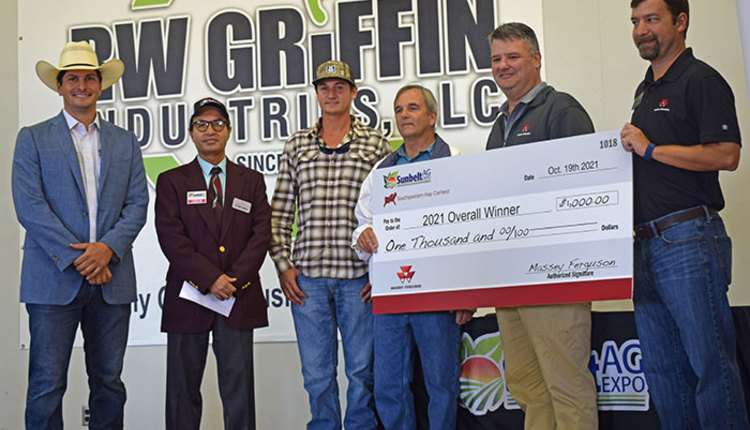
Oct. 26 2021 Photo: Doug MayoWhen the laboratory grinding dust settled, and all 387 entries in the 2021 Southeastern Hay Contest were analyzed, it was Bill Conrad’s crimson clover hay that outdistanced the pack
Oct. 19 2021 Last week, USDA published its October Crop Production report with updates to its August report. Final crop production estimates won’t be available until January’s Crop Production Annual Summary...
Oct. 12 2021 Through the years, many great inventions have been the residue of someone’s desire to solve a problem. There are countless examples of what we consider mainstream agricultural equipment that s
Oct. 12 2021 Initial results from a University of Kentucky (UK) research trial indicates that a late-season application of nitrogen (N) on tall fescue hayfields could significantly benefit first-cutting yields in
Oct. 5 2021 Harvesting high-quality forage is a challenge. Consistently harvesting high-quality forage is . . . well . . . an even bigger challenge. Some operations seem to have largely mastered the latter hurdle
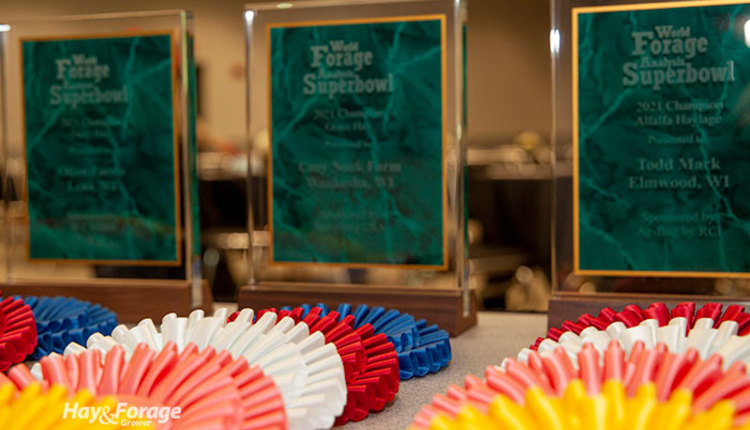
Oct. 5 2021 A total of 343 samples from 17 different states comprised the field of entries for this year’s 38th World Forage Analysis Superbowl. The highest placing samples were on display last week at World...
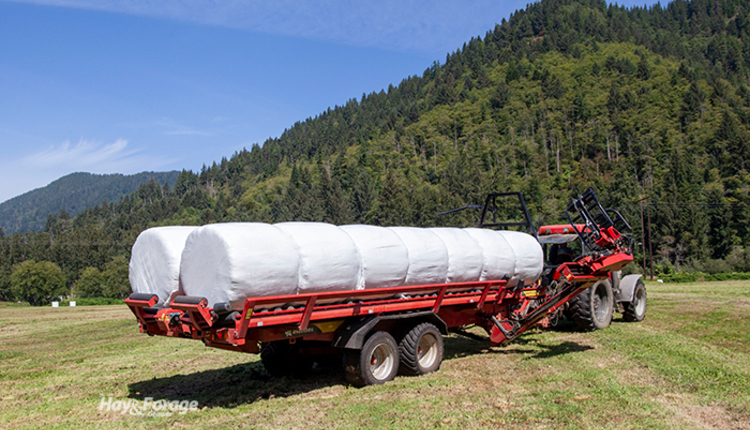
Sept. 28 2021 Somewhere between the territories of making dry hay and chopping haylage is the land of baleage. Its acreage is expanding at a rate that would gain compliments from the former Macedonian king
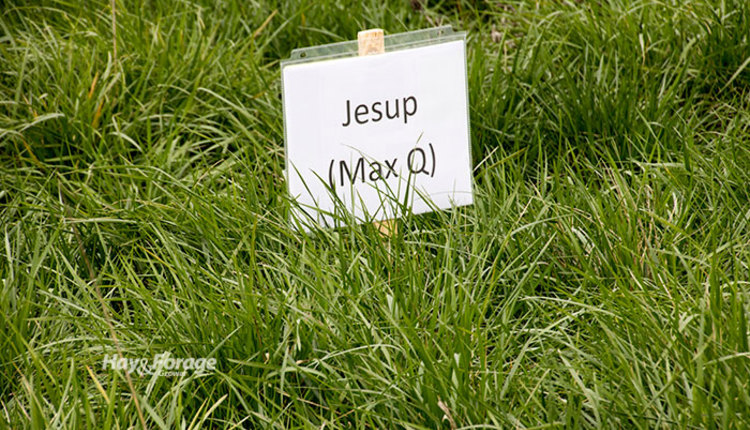
Sept. 28 2021 A team of forage educators and graduate students at North Carolina State University authored and released a paper that compares commercially available novel endophyte tall fescue varieties
Sept. 21 2021 Matt Hoien grazes cattle in the bermudagrass-tall fescue transition zone of central Arkansas and strives to maintain a long grazing season