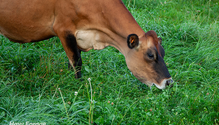
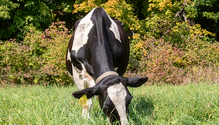
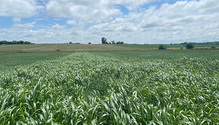
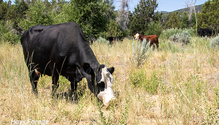
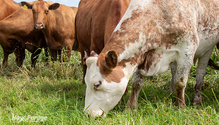
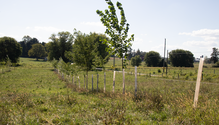
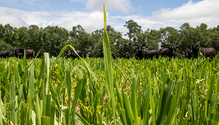
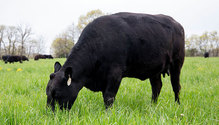
High-quality forage is important for any dairy but none so much as a so-called grass-fed dairy where grasses and legumes make up 100% of the ration. Jeremy Peake of Waukon, Iowa, has been p
Montana livestock producers typically require two to four months of stored feed to overwinter cattle, and this is generally the largest annual variable cost to ranches
One of the favorite parts of my job is getting to visit farms all over the country. Having boots-on-the-ground experience in hay and pasture systems across the U.S. is the best way to acquire un
Photo: Iowa State UniversityTrying to get additional forage production from sacrifice pastures used for overwintering or spring calving is a struggle on many farms
Grazing cattle can be easier and more effective when there is a plan to follow, but as most ranchers know, things don’t always go to plan. It can be even harder to adapt to ecological, environmental
Perhaps the best way to understand grazing livestock and forage management from a fresh perspective is to walk a mile in someone else’s shoes — or in their pasture. Whether you are a beginni
Annual forages can be valuable tools for livestock producers who want to diversify their forage resources and bolster their feed supplies. They are especially useful to extend the grazing season in ei
Mob grazing. Management-intensive grazing. Adaptive multi-paddock grazing. The list of ways to describe an integrated system with an emphasis on forage growth and soil health runs on
Oftentimes, the hardest step to take toward achieving a goal is the first one. This is especially true for new and beginning farmers or those branching away from the family business
Grazing livestock is often depicted as animals out on lush, green pastures, moving periodically to new paddocks with even more lush, green forage. Although this is true, there is also the realit
To Will Carter, Pintlala Creek is more than a scribbled line that runs through the middle of a map of Alabama — it is a symbol of environmental stewardship that borders his beef farm