Past Issues
Subscribe
Hay
Alfalfa
Grasses
Storage
Hay Quality
Other
Silage
Corn Silage
Hay Crop
Silage Quality
Other
Storage
Livestock
Dairy
Beef
Grazing
Market
Equipment
Farms
Farm Visits
Hoard's Dairyman Farm
Blogs
Issues
Past Issues
First Cut
Shop Talk
Alfalfa Checkoff
Hay Pellets - News Tidbits
Events
Biz
Contact
Managing Editor
Senior Editor
Advertising
Close
Subscribe
Hay
Alfalfa
Grasses
Storage
Hay Quality
Other
Silage
Corn Silage
Hay Crop
Silage Quality
Other
Storage
Livestock
Dairy
Beef
Grazing
Market
Equipment
Farms
Farm Visits
Hoard's Dairyman Farm
Blogs
Issues
Past Issues
First Cut
Shop Talk
Alfalfa Checkoff
Hay Pellets - News Tidbits
Events
Biz
Contact
Managing Editor
Senior Editor
Advertising
Home
/
Top Stories
Learn from your silage harvest
Adaptability goes a long way in the winter
Will hay prices beef up?
A knack for native grasses
Stay out of the no-cut zone
The domino effect of delayed cutting
Forage Flashes
Parking the mower is often the best bet
Forage Flash
Forage digestibility improves in the afternoon
Forage Flash
Advice for grazing beef-on-dairy calves
Forage Flash
Tall fescue establishment must-dos
Forage Flash
Put pastures back in the win column
Forage Flash
Air fryers aren’t just for fried chicken
Forage Flash
Forage Spotlight
New CLAAS JAGUAR 1000 Series Forage Harvesters Offer Unmatched Throughput, Efficiency
Hay Biz
Guest Blog
High-quality hay takes a proactive approach
Envu 250601
HAY BIZ
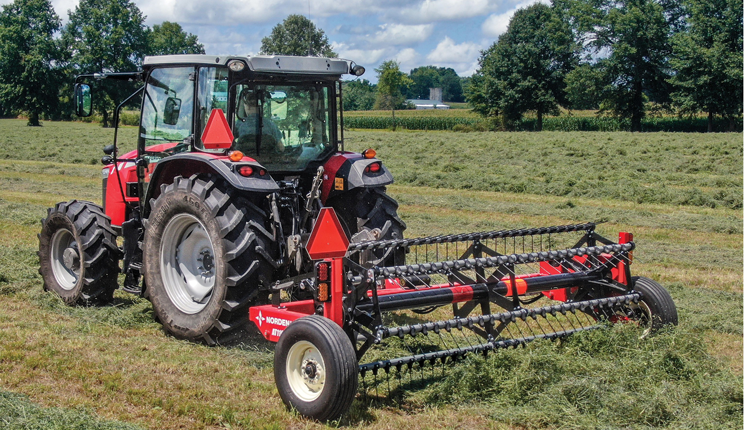
Norden Mfg. Announces New Product
Hay Biz
Join The National Hay AssociationToday!
..