 Photo by: Steve Freeman
When we gained access to dial-up internet 25 years ago, one of the first resources I used was an Iowa State University online spreadsheet that calculated our cost of hay production. After entering our numbers in the correct boxes, I vividly remember the end cost was the same number as the price of a purchased bale. With that number in mind, we sold all our hay equipment and have been purchasing our needed hay supply ever since.
At the time, our grazing management was based on keeping the fescue-based forage from reaching the reproductive stage for as long as possible. Looking back, I now know we were practicing managed overgrazing by not giving our grasses proper rest.
During our first spring without hay equipment, we learned rather quickly that with so many extra grazing acres, we were not going to have control over our grass like we did in the past. Moreover, spring is when we have the least control of forage. It’s also the season that makes the most difference in our farm financials — the pregnancy rate of the cow herd and most of the pounds gained by stockers is determined by how well we manage the spring flush.
Mindset shift
Today, we manage abundant spring growth so cows put on weight before and after calving in April and May and into the breeding season. This ensures a high breed back percentage in a short, 45-day breeding window. We also want to put as much weight on stocker calves as possible, using only the spring flush of grass and managed grazing to do so before we hit the flattened growth curve of summer forage, at which point we sell them.
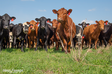
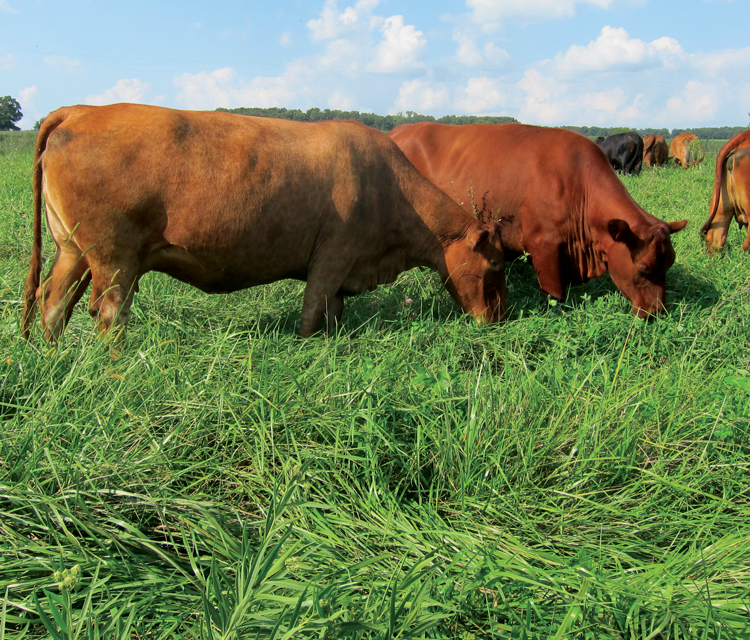
When we began managed grazing in the early 1980s, most of our ideas came from New Zealand dairy grazing methods: Keep the grass short and vegetative with tight rotations to keep forage quality high. But when we lost control of the spring flush, it was surprising to find the cows preferred taller, more mature grass. Their full rumens and calm disposition during daily moves suggested a satiation that they lacked on shorter grass. We have since learned this is from a better energy-to-protein ratio. Dairy graziers can balance the high protein of short, vegetative grass with energy fed in the milk barn, whereas beef cows grazing the spring flush without an energy supplement can consume a diet that is out of whack.
So, we had to change our perspective and get used to working with a different grass height and growth level. It was a reset for both our eyes and our minds. But with time, we got used to grazing shaggy pastures and saw some real benefits — not only to the cows, but also to the grass, soil, and wildlife on our farm. Those benefits include:
• Moisture retention. The most important benefit is that we capture more moisture in the soil. When it’s dry, the shading of the soil and retention of dew by tall grass helps keep the soil moist and moderates soil temperature.
• More forage diversity. Since we have switched to shaggy grazing and longer rotations, the diversity of grasses and forbs has gone up. Forage diversity is important for many reasons but giving cows the choice to dilute endophyte-infected fescue is key.
• Better utilization. Cows don’t have the high-protein, “rocket blast” type of manure we used to see in spring pastures. Now, they are more content and hay is rarely needed to balance the spring flush if we have properly set up for early season grazing with stockpiled grass that naturally balances their energy-to-protein ratio.
• A longer growing season. Pastures seem to stay greener going into winter and begin growing earlier in the year than they previously did. This may be because the taller grazing and greater residual supports soil biology and allows soil life to stay active longer.
• Wildlife diversity. Bird life has improved dramatically. We see prairie birds like dickcissels, bobolinks, and northern harriers. Wild turkeys are plentiful and have ample nesting areas. We even have some quail.
Go with the flow
With that said, shaggy grazing and longer rotations is not the only recipe we follow. We don’t want our grazing to become rote, as conditions and seasons constantly change and we have to be able to go with the flow.
At times, we will overgraze paddocks down to 3 to 4 inches. Sometimes, it’s for a purpose — grazing short will allow dormant seeds to sprout and boost diversity or thicken a stand. However, we try to avoid overgrazing in the summer and fall. We’ve seen a real difference in late fall and early winter pastures where we leave 4 to 6 inches of leaf area behind, which is enough of a photosynthesizing factory to jump start spring growth.
We still clip pastures, although we want to eliminate the recreational mowing we used to do. To keep the grass that cows missed from going directly into a reproductive state, we will come in behind the herd and clip some paddocks to 6 to 8 inches. This seems to stimulate leaf growth and slow reproductive development.
Selling our hay equipment all those years ago and concentrating fully on grazing was one of the best decisions we’ve made. That doesn’t mean we don’t sometimes miss the tidiness that mowing and baling hay brought to us when looking at our now shaggy pastures. But good grazing requires working with biology and nature, which means each season will be varied, and possibly messy.
It’s all still a work in progress. Our main tenet is always to keep enough cover on the ground so we can capture most — if not all — of a downpour right where it falls. The more moisture we capture, the more grass we grow
This article appeared in the February 2026 issue of Hay & Forage Grower on page 20-21.
Not a subscriber? Click to get the print magazine.