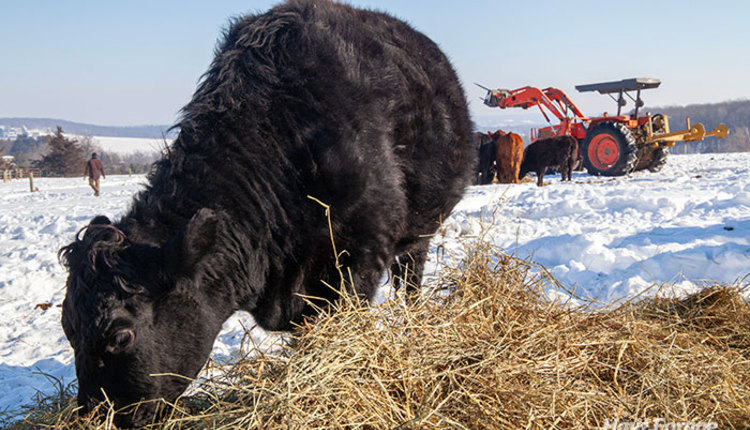
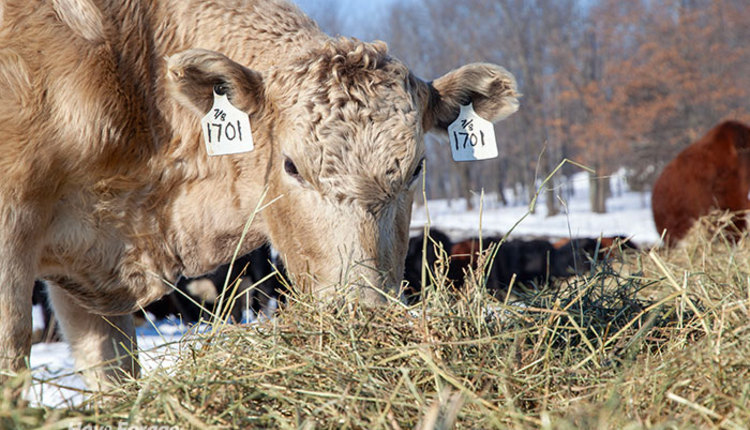
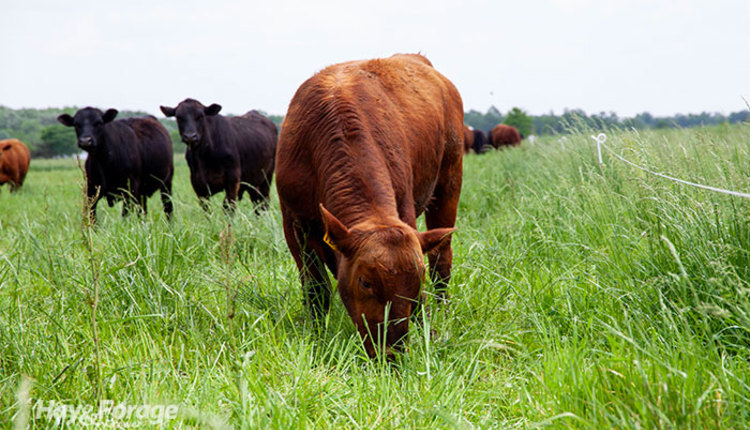
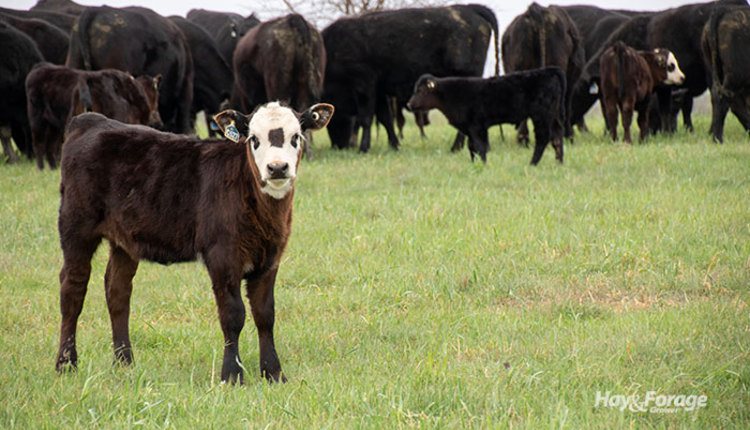
Dec. 26 2023 The possibilities are plentiful when it comes to feeding cattle in the winter. Grazing options include stockpile grazing, bale grazing, and windrow grazing, to name a few
Dec. 19 2023 Alfalfa and corn silage work better together, whether it be in cropping rotations or dairy cow rations. Despite the dynamic of the duo, though, alfalfa acreage and inclusion rates have bee
Dec. 19 2023 Vitamin A is an essential nutrient for humans and cattle alike. Our ruminant counterparts convert beta carotene found in plant leaves into vitamin A, which is necessary for vision, immune function, an
Dec. 12 2023 Many states lit up the U.S. Drought Monitor in some shade of yellow, orange, or red this past year, especially in parts of the Midwest, the High Plains, and the South
Dec. 5 2023 Managing a grazing system without measuring forage production or animal performance is like setting the lineup for a fantasy football team without knowing the players’ statistics. In either case,...
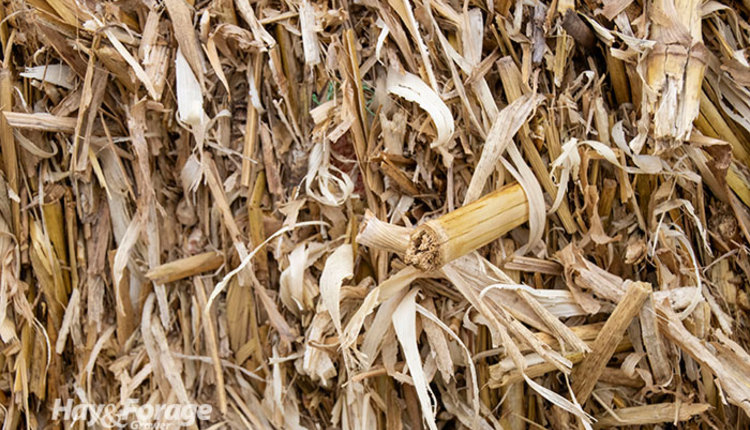
Nov. 28 2023 Utilizing crop residue as a winter feed source is a common practice in the Midwest. In times when forage supplies are low and hay prices are high, crop residue is especially useful to offset
Nov. 21 2023 Forage producers across the country insured a record 290.6 million acres under the Pasture, Forage, and Rangeland (PRF) insurance program in 2023. So far this year, participants have received an avera
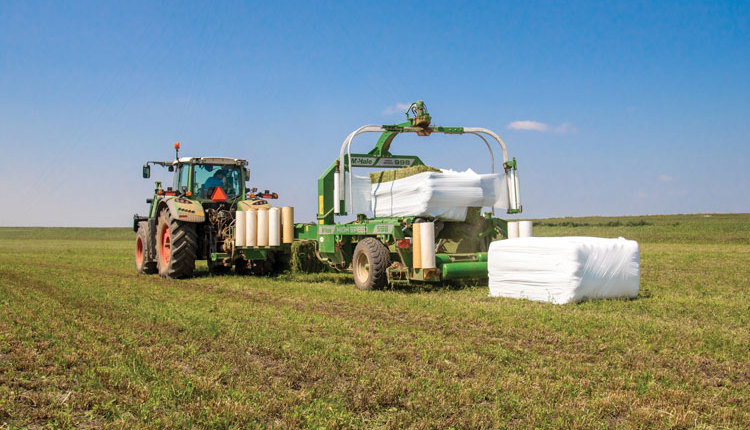
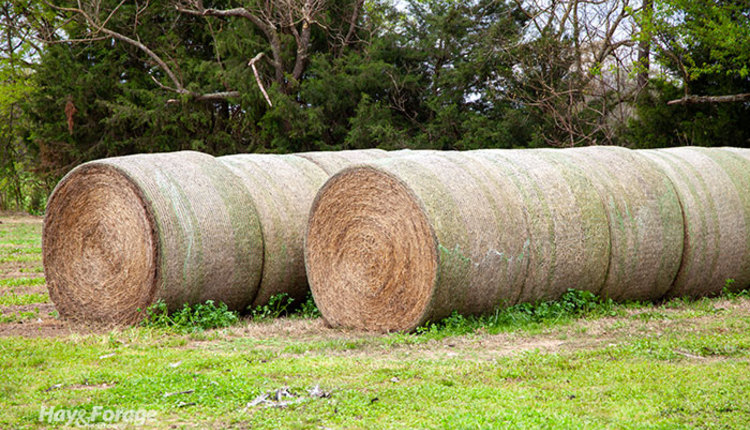
Nov. 14 2023 Like refrigerated foods left on the counter, bales stored outside have a greater risk of spoilage. Mark Johnson with Oklahoma State University suggests good hay storage is always important
Nov. 7 2023 Forage research from universities and seed companies fuels advancements in the alfalfa industry. This research also lays the foundation for many producer recommendations, but scientific experime
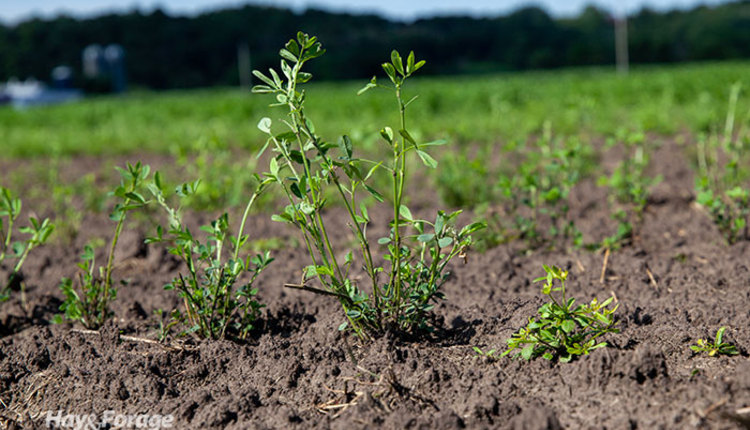
Oct. 31 2023 Whether you are adjusting soil pH for a new alfalfa seeding, adding maintenance fertilizer to a mixed stand, or giving an old pasture a boost of nutrients, getting a soil test is probably on the to-do
Oct. 31 2023 Northern regions are expected to experience warmer temperatures this winter while southeastern states can anticipate higher rainfall, according to the U.S. Winter Outlook
Oct. 24 2023 There is a fine line between too much starch and not enough energy in dairy rations for fresh cows. As cows’ energy demands shoot skyward during the transition period, less forage fiber may be included