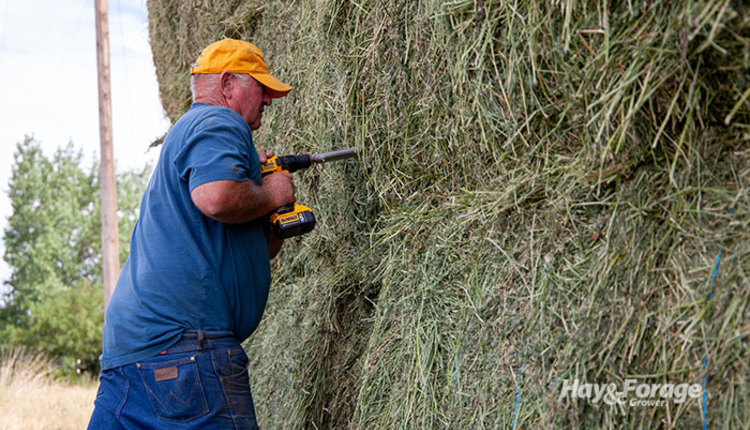
Oct. 24 2023 For many, tire pressure may not be top of mind unless the low-pressure light comes on or a tire goes completely flat. Regularly checking and adjusting tire pressure not only protects the integrity of
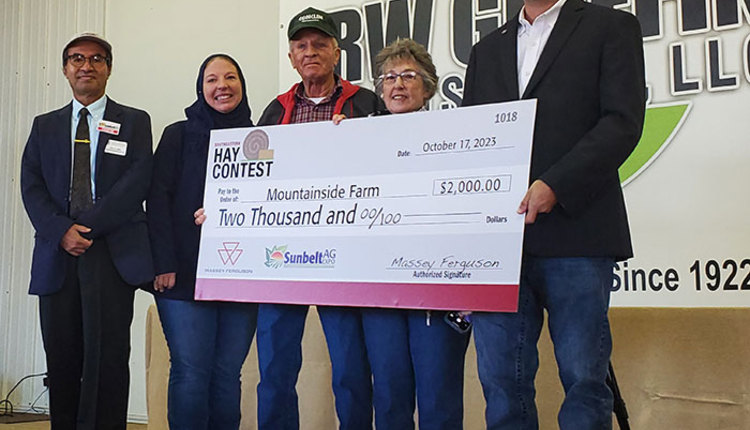
Oct. 24 2023 The winner of the Southeast Hay Contest was Mountainside Farm of Taylorsville, N.C.(Submitted photo)A total of 468 samples comprised the field of entries for the19th annual Southeast Hay Contest
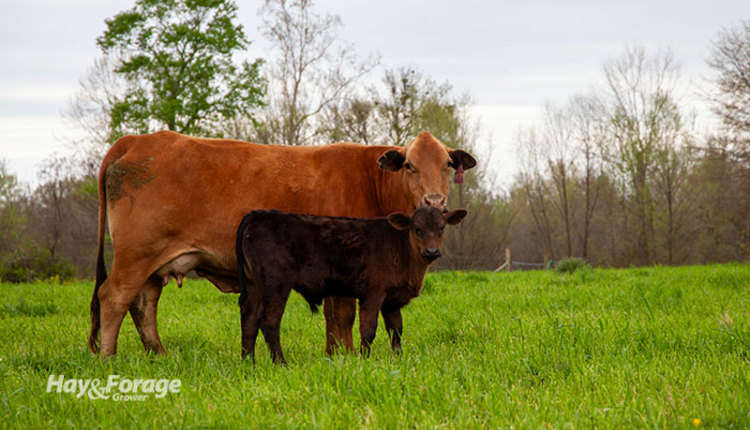
Oct. 17 2023 Cows don’t necessarily need alfalfa or corn silage — they need energy, fiber, and protein. Forages with greater concentrations of these nutrients are ultimately more valuable to animals; however
Oct. 17 2023 The immediate effects of drought were evident this summer in pastures where forage went dormant, but signs of long-term drought damage from the past several dry growing seasons may start to show in pe
Oct. 16 2023 If you are familiar with the television series, “Extreme Makeover: Home Edition,” you will recall how every episode begins with a team of carpenters, painters, and plumbers gutting a dilapidated...
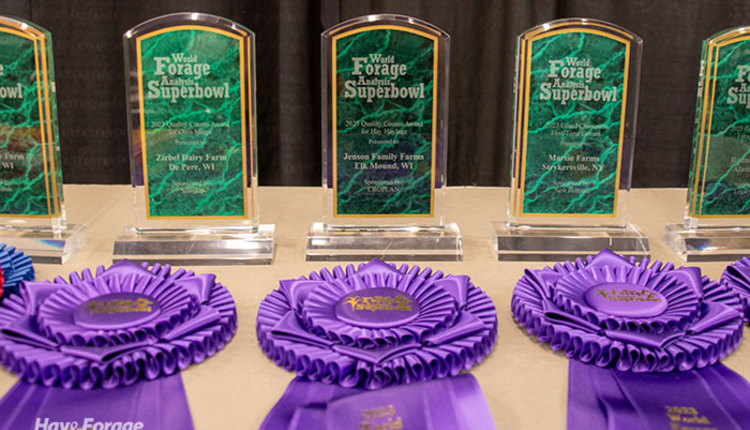
Oct. 10 2023 The 40th World Forage Analysis Superbowl brought in 293 forage samples from 18 states. Winning entries in each of the eight contest categories were on display last week at World Dairy Expo
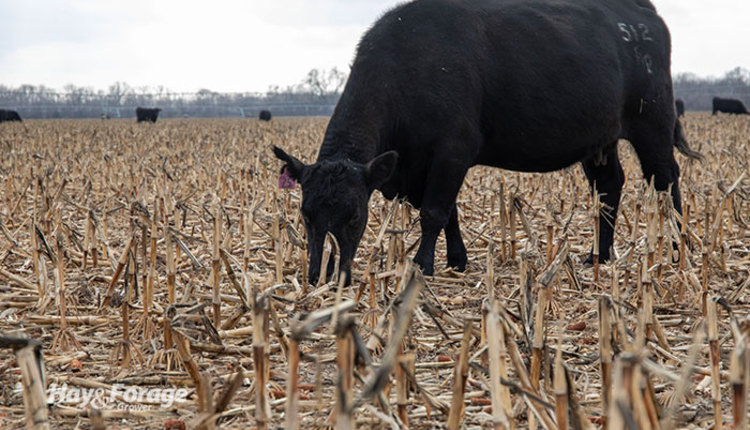
Oct. 3 2023 Cornstalks become a major source of forage on some farms during the fall — especially if the previous growing season conditions limited pasture growth or hay production
Oct. 3 2023 Hay test results are like the nutrition facts labels of the forage world. They provide information about fiber and protein content, available energy, and overall forage quality
Sept. 26 2023 Graziers from across the country recently gathered in Hershey, Pa., for the Grassfed Exchange. From grass-fed beef and organic dairy to pasture-raised poultry, sheep, and goats, the types of farms rep
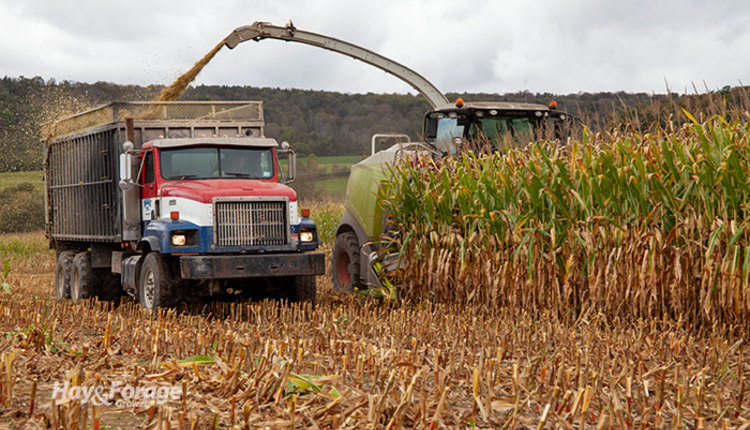
Sept. 26 2023 Choppers and box trucks aside, there are many moving parts to a successful corn silage harvest. Monitoring plant moisture to hit target dry matter and starch levels is key to maximizing feeding value
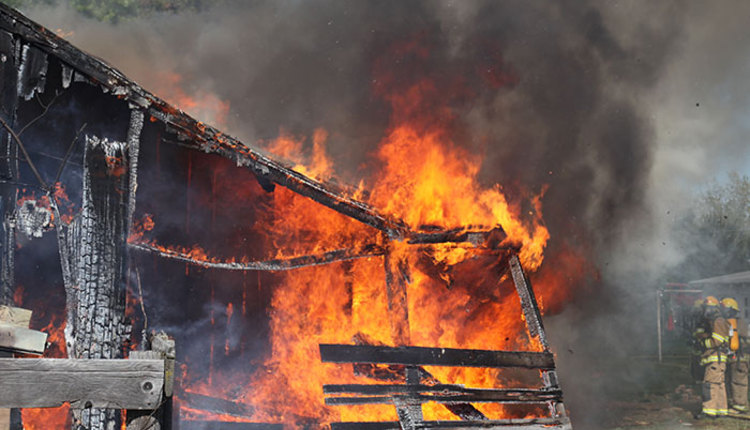
Sept. 26 2023 The call to action to prevent hay barn fires is usually made during first cutting, but the risk of hay fires exists throughout the production season. This is especially true as it may be harder for ha
Sept. 19 2023 Although the first day of fall is fast approaching, many regions of the United States are still experiencing the aftermath from an exceptionally dry start to the summer. Even as milder temperatures br
Sept. 12 2023 The forage research and plant breeding facility in West Salem, Wis., will be part of the purchase agreement between Corteva and DLF.As of September 1, DLF officially acquired the Corteva Agriscience a
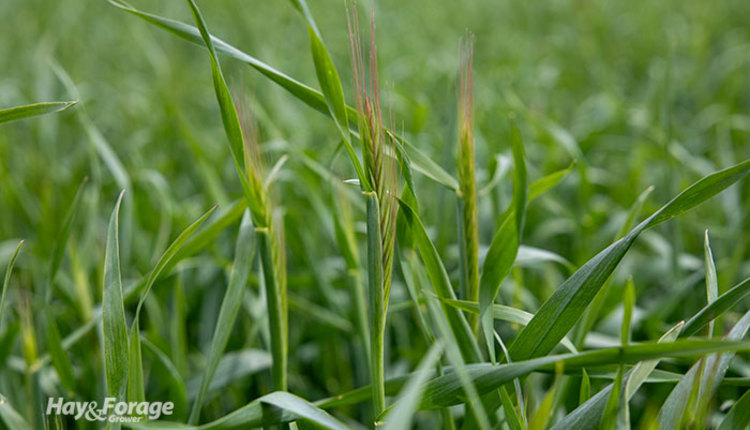
Sept. 12 2023 With corn silage harvest underway — or almost underway — on many farms, crop fields will soon be ready to with seed winter forage. Wheat and rye are common cereal grains planted after corn...
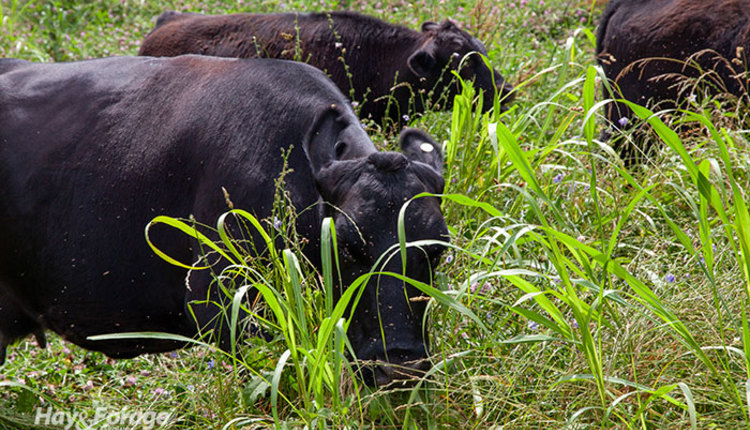
Sept. 5 2023 More than 70 cattle were recently reported dead after grazing johnsongrass in southwest Missouri. While prussic acid was deemed the most likely cause of death, diagnosticians did consider nitrate toxi
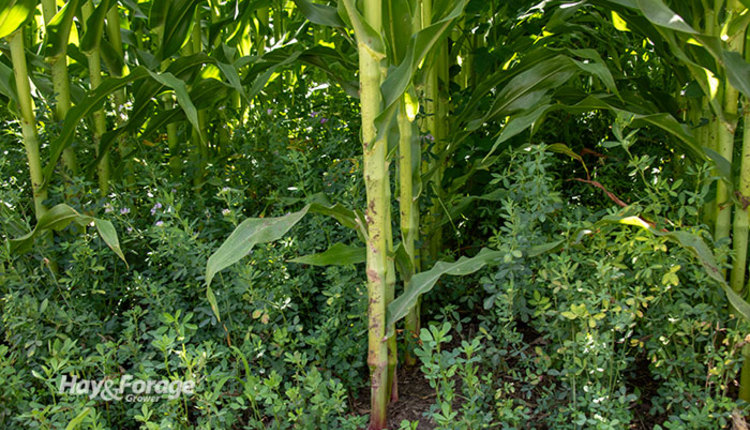
Sept. 5 2023 Interseeding alfalfa into corn for silage has been shown to improve first-year alfalfa yields, reduce soil erosion, and enhance a forage system’s overall profitability compared to seeding alfalfa...
Aug. 29 2023 The critical fall period for alfalfa has been said to start roughly six weeks before the first killing frost, which is roughly around the first week of September for most of the Midwest. This hard sto
Aug. 29 2023 Sometimes grazing cattle need help reaching their nutrient needs with supplemental feed. And when dry weather puts a damper on forage growth, supplementation must become a bigger priority
Aug. 22 2023 Making hay in the Upper Midwest can be a game of chance. Receiving rain at any point during the drying period can negatively affect forage quality, and this excess moisture can raise the risk of