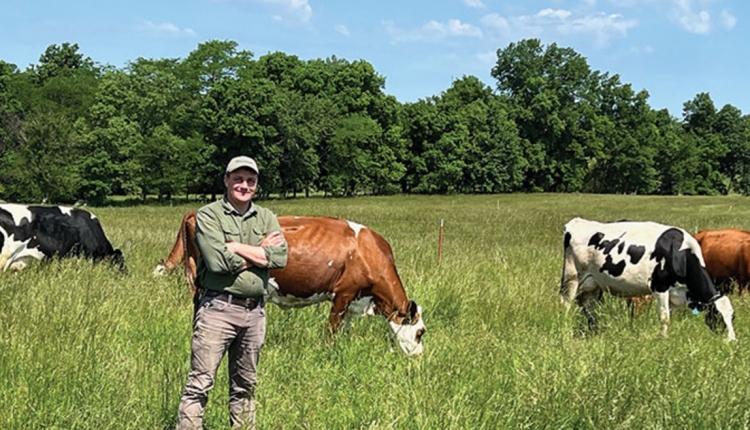
Feb. 1 2023 It's common to encounter fields of tall fescue as you venture across the northern edge of Missouri. Predictable still is the sight of beef cattle grazing the grass on small farms scattered throughout
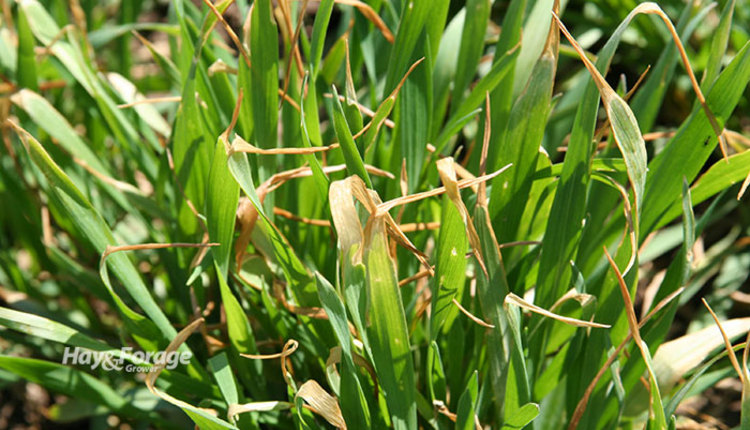
Jan. 31 2023 The cold front that swept across the country in late December caused frost damage in winter annuals, turning forage fields from green to yellow. That isolated weather event was just one of many freeze
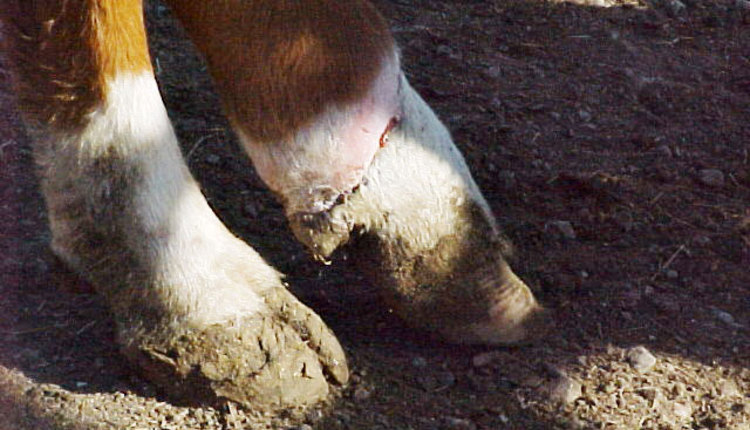
Jan. 24 2023 Photo: University of MissouriCases of cattle dying from fescue foot have recently spiked in Missouri. This condition occurs when toxic alkaloids in Kentucky 31 tall fescue cause animals’ blood vesse
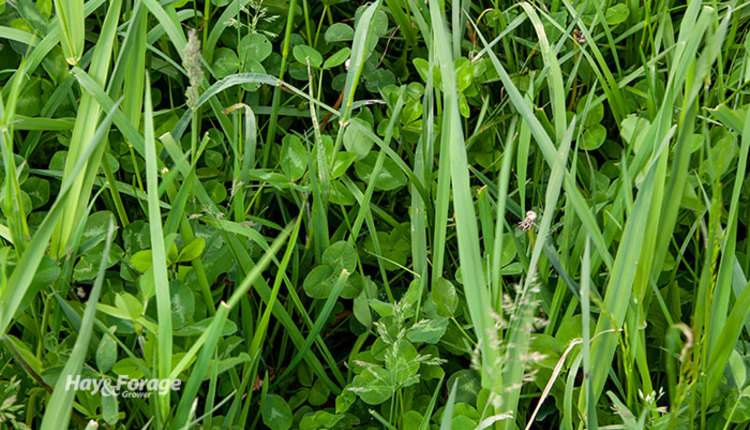
Jan. 17 2023 Legume species — specifically clovers — wear many hats during their forage role. They improve forage quality and quantity in a mixed stand, form symbiotic relationships with bacteria that fix...
Jan. 10 2023 Although summer weather is long gone, the effects of drought conditions linger on many livestock operations. This means purchasing feed will probably be a necessity on farms where forage supplie
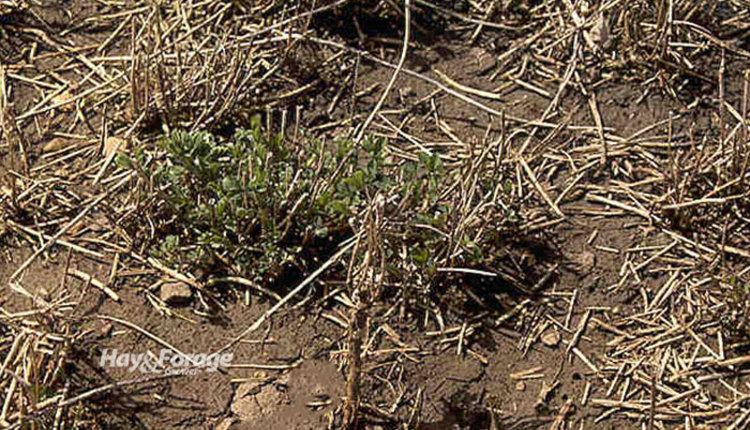
Jan. 3 2023 When temperatures fluctuate around the freezing point in the Midwest, the soil repeatedly expands and contracts. These freezing and thawing cycles can cause heaving in alfalfa stands, which may lead t
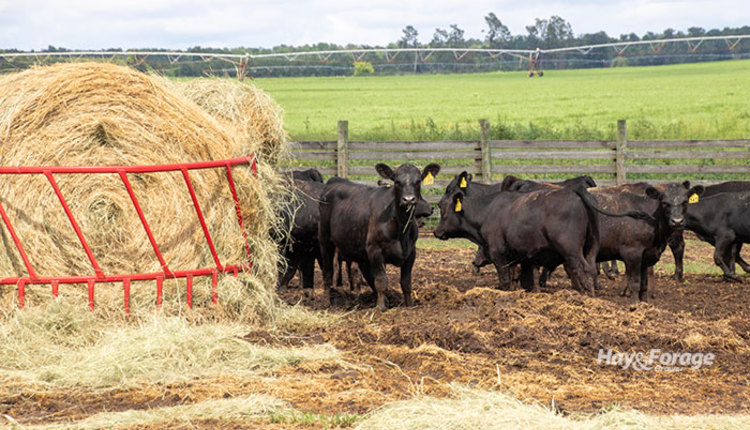
Dec. 27 2022 Feeding livestock hay in the winter may be an inevitable expense to an operation, but paying for wasted hay doesn’t have to be. Choosing an appropriate feeding practice and adhering to a strict feed
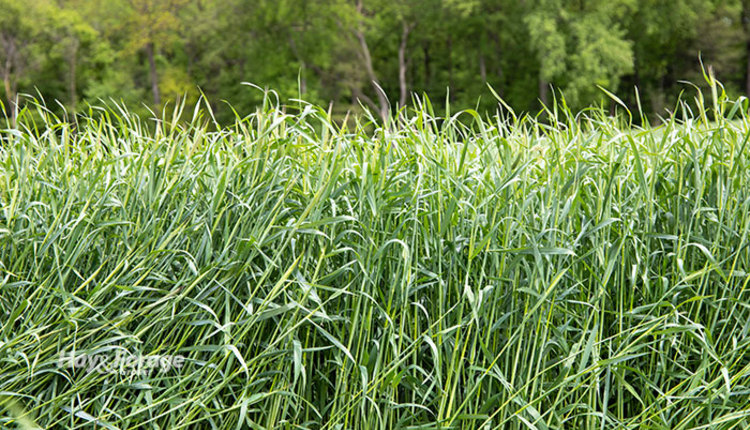
Dec. 20 2022 Winter rye is a popular winter annual to plant after corn or soybeans in the Midwest because of its ability to overwinter and acquire nutrients from the soil. In addition to protecting the ground and
Dec. 13 2022 It is rarely ideal for grazing livestock to lose body condition — especially not in the midst of winter breeding season. Weight loss is often a result of low energy levels in cattle rations, but...
Dec. 6 2022 Some farmers may have lower hay supplies this winter following a dry growing season. Buying hay might seem like a simple solution to fill feed gaps, but the decision to do so can be complex. Whil
Nov. 29 2022 As we flip the calendar from November to December, most harvest equipment is making its way to the machine shed for the season. Without properly winterizing equipment — including inoculant app
Nov. 15 2022 Cotton fiber may be the most valuable part of a cotton plant for human use, but cotton stalk residue can be utilized for livestock feed. Grazing cattle on leftover lint, leaves, burrs, and unopened bo
Nov. 8 2022 Farmers may be looking for alternative feedstuffs this fall if they are experiencing high hay prices or forage shortages due to drought. Baling soybean residue can be a low-cost solution to thes
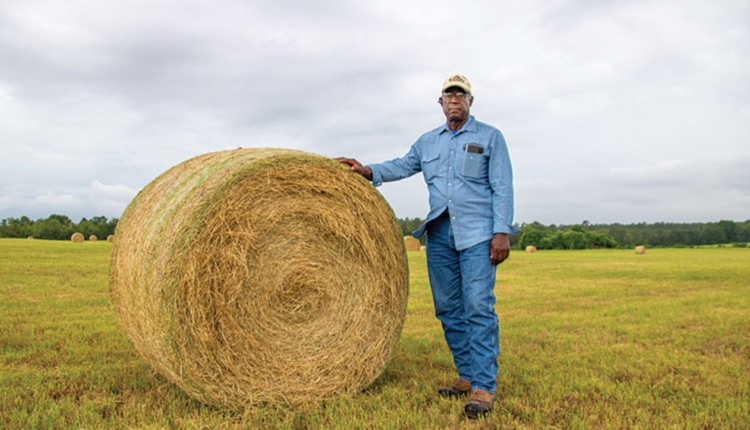
Nov. 7 2022 There is only a short distance between Pipestone, Minn., and the South Dakota border. This five-minute drive from the city limit sign to the state line is flat and wide with farmland stretching toward
Nov. 1 2022 Drought management is an ongoing process that doesn’t have a definite start or end. Drought plans are necessary to prepare before a period of dry weather, and modified grazing techniques are k
Oct. 25 2022 Despite alfalfa’s popularity, there are many reasons producers plant and feed alternative forages. Seeding grass species, cover crops, or cocktail mixes may be viable solutions to alfalf
Oct. 18 2022 In theory, feeding hay is a sound solution to supplement fall grazing or provide animals with winter feed. Timely harvests can result in high-quality forage, and proper baling and storage preserves nu
Oct. 11 2022 Alfalfa and corn silage are a dynamic duo in dairy cattle diets because of their complementary components; however, these forage crops have demonstrated opposite production trendlines
Oct. 4 2022 Cutting forage at an optimum quality remains the primary challenge for haymakers. Following closely behind is the challenge of baling hay at the proper moisture content