The author is the past managing editor for Hay & Forage Grower. Amber Friedrichsen joined the Hay & Forage Grower staff as an associate editor in May 2023. Friedrichsen also served as the editorial intern in 2021 and 2022. She graduated from Iowa State University in May 2023 with a double major in agricultural communication and agronomy. Friedrichsen grew up and worked on her family’s diversified crop and livestock farm in eastern Iowa near Clinton.
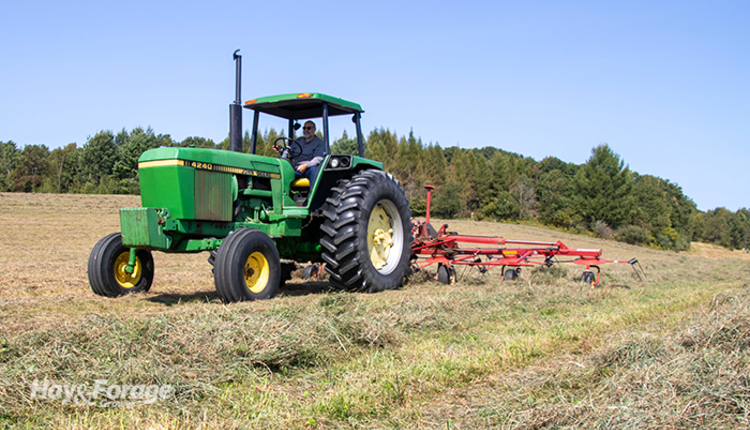
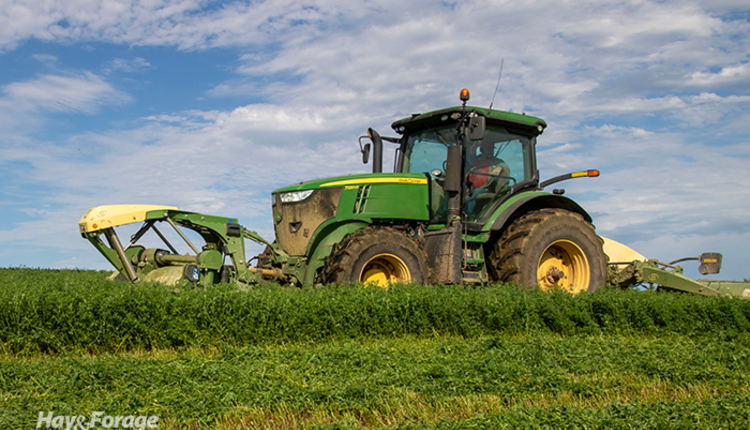
May 27 2025 I’m usually the one posing questions to farmers, but I recently found myself on the receiving end of such an exchange. The conversation led me to consider one step of the haymaking process that seem
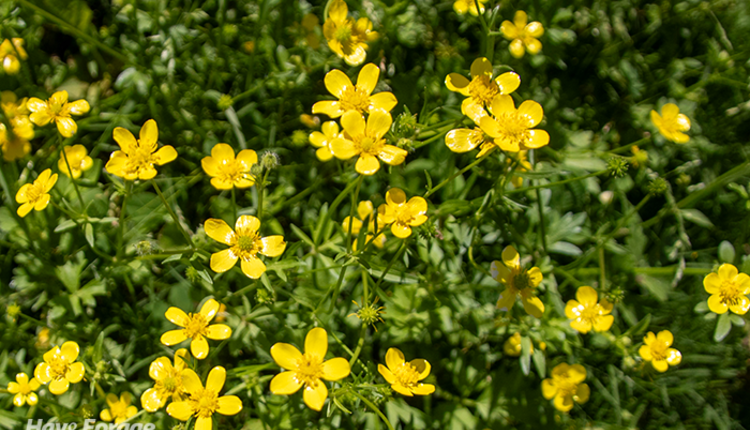
May 27 2025 Unless you run a John Deere tractor or root for the Green Bay Packers, yellow and green don’t make the best color combination by most standards. It’s especially an eyesore in pastures and hayfield
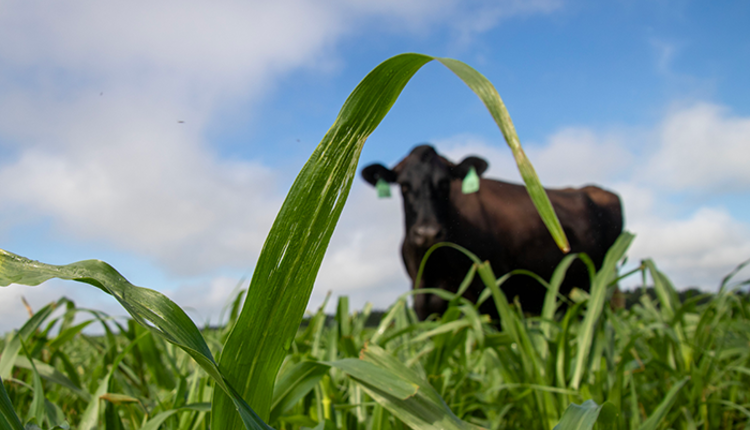
May 20 2025 As haymakers tackle first cutting and grazing livestock relish in lush pastures, it may seem a bit early to think about seeding summer annuals, let alone harvesting them. But having a plan for these f
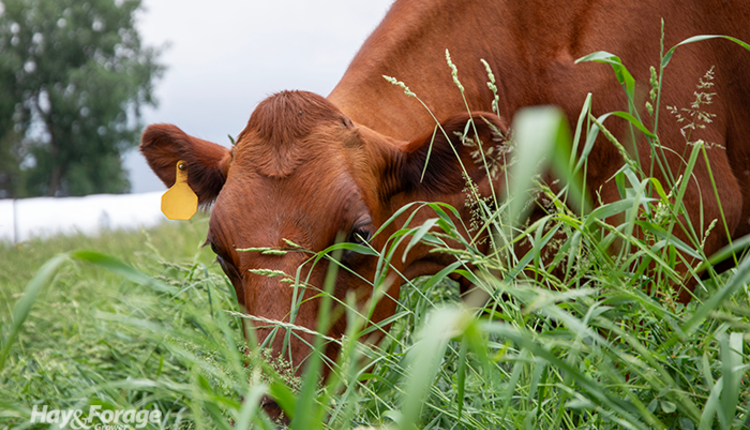
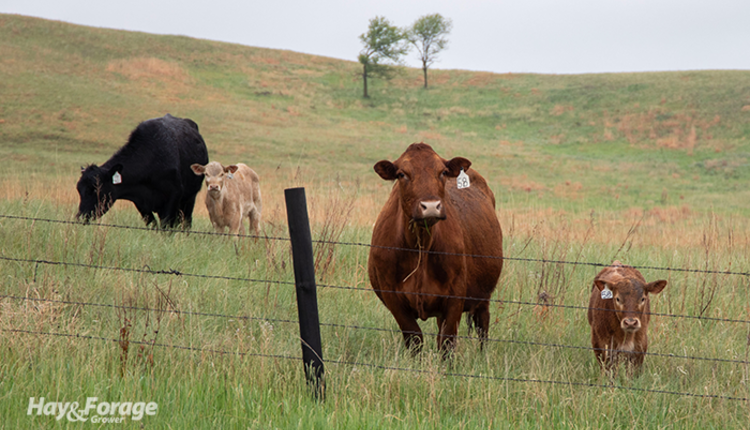
May 20 2025 Over time, what once was a monoculture of perennial grass may turn into a mixed stand of grasses, legumes, and even some unwanted species. But just because a pasture isn’t what it used to be doesn�
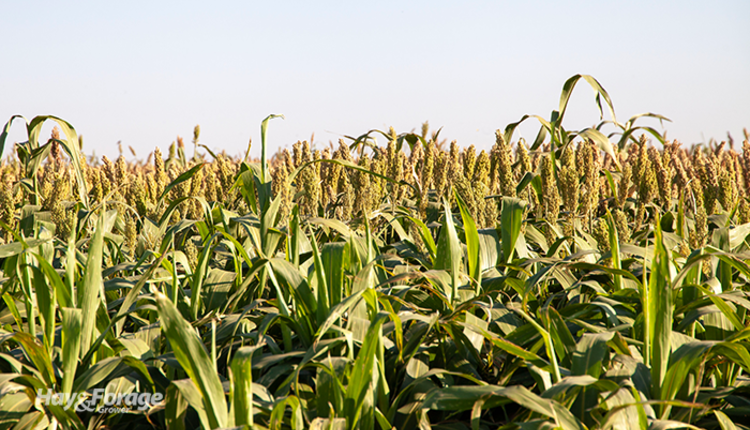
May 13 2025 Sorghum has long resided in the shadow of corn grown for silage. Even though the former species is often touted for its drought tolerance and water-use efficiency, sorghum silage has rarely been a dai
May 13 2025 Horse hay has its own set of standards that are exclusive to equine. Many of these standards fall under the physical attributes of the bale, followed by the nutritive qualities of the forage, but clea
May 6 2025 To optimize something is to make the best or most effective use of it. Rather than maximizing one aspect of a resource or minimizing its worst part at the expense of all others, optimization finds the
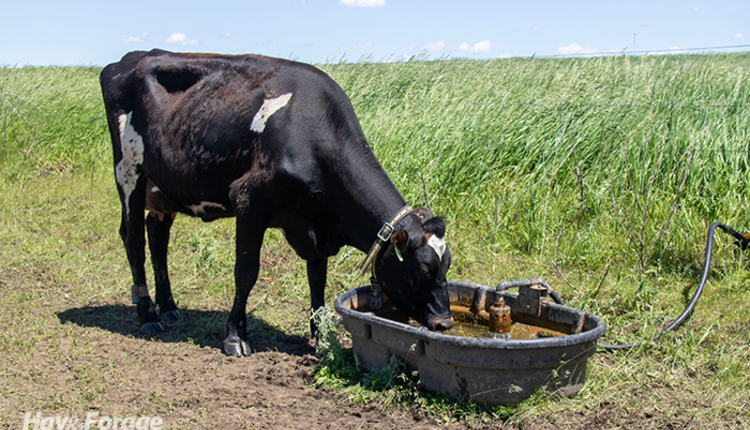
May 6 2025 Natural water sources in pastures are only as valuable to a grazing system as the quality of water they contain. In other words, the health and performance of livestock will suffer if animals are subj
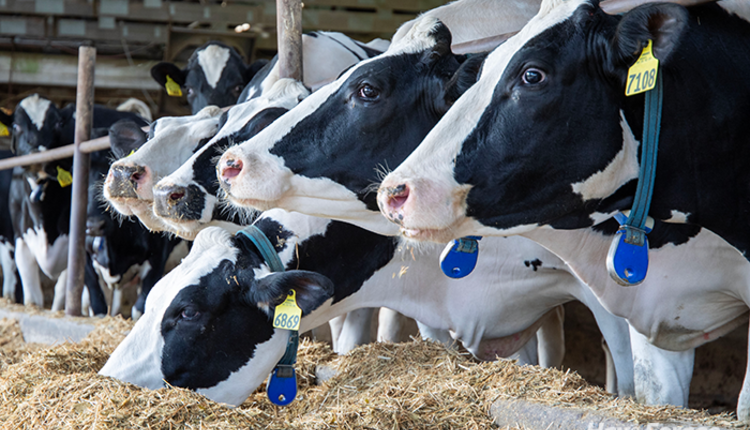
April 29 2025 Despite the advantages brown midrib (BMR) corn silage brings to the feedbunk, many farmers have shifted their preference back to conventional hybrids in recent years. The changing market dynamics may
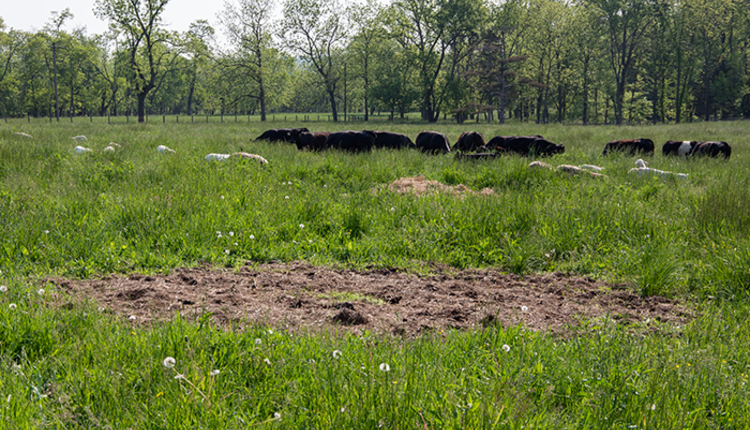
April 29 2025 Like any grazing practice, the merits of bale grazing will vary with each individual farm. These merits can be in the form of more grazing days, lower feed costs, and less equipment use, which can tra
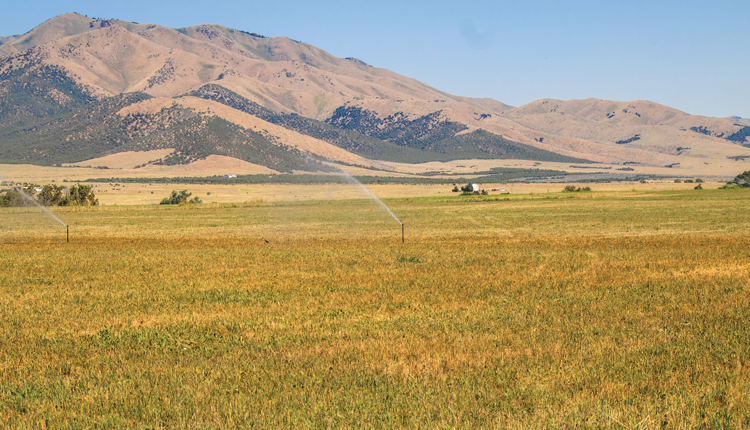
April 22 2025 The U.S. Drought Monitor is starting to light up again as several states show signs of struggling with inadequate soil moisture. As drought conditions develop across the northern tier of the U.S. and
April 22 2025 “Three findings highlight fescue’s history” detailed the early events that contributed to tall fescue’s infamous reputation as a toxic forage. Although these events paved the path...
April 15 2025 Wildfires throw a wrench into grazing plans in regions prone to such disasters. Even though pasture and rangeland fires delay forage regrowth and set back grazing schedules, perennial grasses typicall
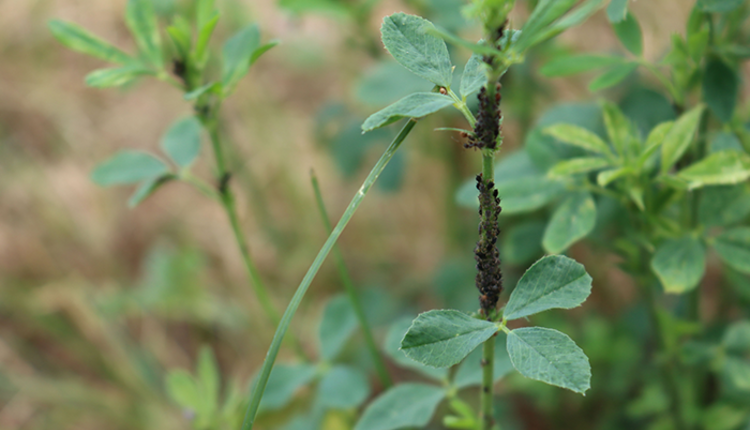
April 15 2025 Aphids are a bane in alfalfa fields, especially considering the rapid rate of reproduction and range of toxicity among the species. Damage from aphids feeding on plant sap as well as their injection o
April 8 2025 Trade-offs already exist between spring seedings and late summer seedings before planting management is added to the mix. The latter time frame often boasts more favorable weather and field conditions
April 8 2025 Managing the spring flush of forage growth often involves flirting with the fine line between grazing too early and being swallowed by the surplus. As cool-season grasses start to green up, it may be
April 1 2025 Teffgrass is like the utility player on the baseball roster of forage species. The fast-growing warm-season annual is a good candidate for emergency forage when grazing livestock are short on feed. It
April 1 2025 If spring green up isn’t sign enough, an echo ringing off the wall of an empty bunker silo should indicate another forage harvest season is fast approaching