Past Issues
Subscribe
Hay
Alfalfa
Grasses
Storage
Hay Quality
Other
Silage
Corn Silage
Hay Crop
Silage Quality
Other
Storage
Livestock
Dairy
Beef
Grazing
Market
Equipment
Farms
Farm Visits
Hoard's Dairyman Farm
Blogs
Issues
Past Issues
First Cut
Shop Talk
Alfalfa Checkoff
Hay Pellets - News Tidbits
Events
Biz
Contact
Managing Editor
Senior Editor
Advertising
Close
Subscribe
Hay
Alfalfa
Grasses
Storage
Hay Quality
Other
Silage
Corn Silage
Hay Crop
Silage Quality
Other
Storage
Livestock
Dairy
Beef
Grazing
Market
Equipment
Farms
Farm Visits
Hoard's Dairyman Farm
Blogs
Issues
Past Issues
First Cut
Shop Talk
Alfalfa Checkoff
Hay Pellets - News Tidbits
Events
Biz
Contact
Managing Editor
Senior Editor
Advertising
Home
/
Top Stories
Celebrating 40
Fourth place
He moved to Canada, bought three choppers
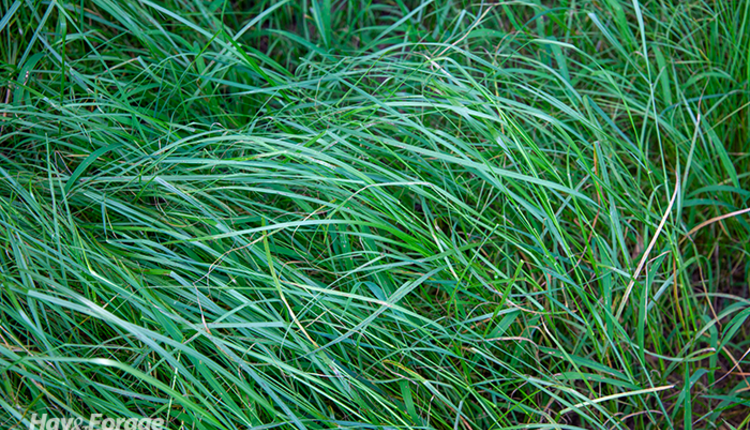
An honest case for native grasses
Hay exports took a dip in 2025
Herbicide options broaden for alfalfa burndown
Forage Flashes
Input prices soar with war
Forage Flash
Old hay isn’t always bad hay
Forage Flash
A most-limiting alfalfa production factor
Forage Flash
Don’t open the gate too soon
Forage Flash
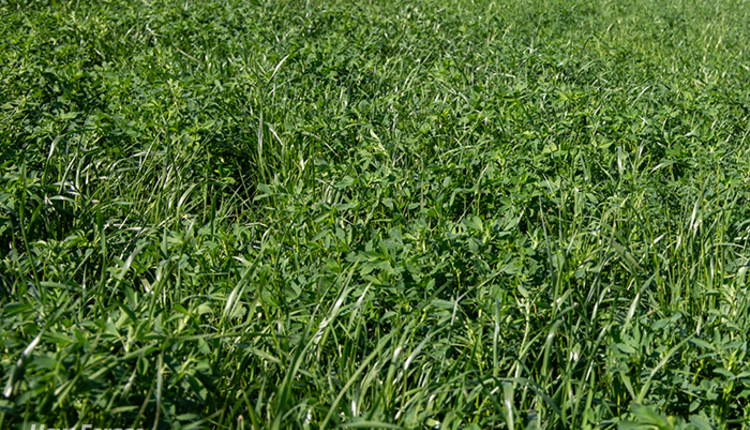
Mixing it up with alfalfa
Forage Flash
Find your warm-season stride
Forage Flash
Forage Spotlight
New CLAAS JAGUAR 1000 Series Forage Harvesters Offer Unmatched Throughput, Efficiency
Hay Biz
Guest Blog
High-quality hay takes a proactive approach
Envu 250601
HAY BIZ
RCI Engineering Receives 2026 AE50 Award for the T9096 Tractor-Powered Table Bagger
Hay Biz
2026 NAFA Alfalfa Variety Ratings
..