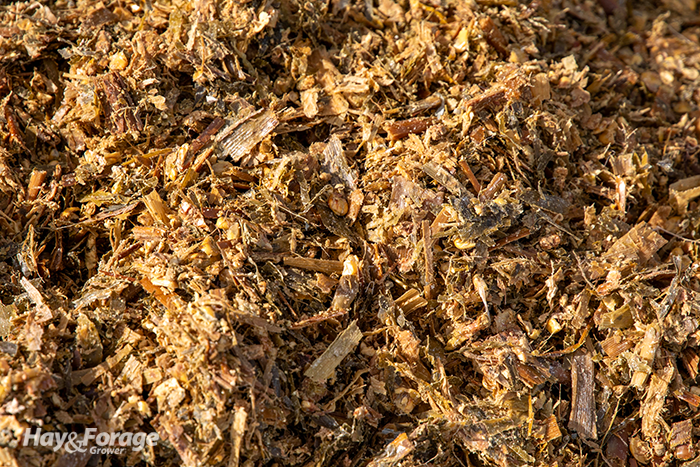
Let’s say, for example, you got bored during the pandemic, couldn’t go anywhere, had plenty of time on your hands, and decided to put up some extra corn silage. Then, for whatever reason, you never needed to feed it — until now.
Is six- or seven-year-old corn silage still safe to feed?
This was a question recently posed to Bruno Pedreira, who serves as the University of Tennessee Extension forage specialist and is the director of that college’s Beef & Forage Center.
Although most farmers feed out their silage within a couple of years, there have always been instances where silage sits in hibernation for an extended period. Many extension agents and forage specialists have gotten this same question about aged silage; it’s just not common.
“The good news is that silage does not automatically become unsafe simply because it is old,” Pedreira asserts. “However, age does increase uncertainty, and careful evaluation is essential before feeding.”
The forage specialist says the primary factor to consider is how well the silage was stored. “Properly made silage that was well packed, adequately covered, and remained sealed can stay stable for long periods.”
For silage to remain stable and be high quality, anaerobic conditions need to be maintained. Fermentation products help preserve the silage if oxygen is excluded. Conversely, if the plastic cover gets damaged at any point — especially along the top, shoulders, or sides — oxygen can enter and compromise the stored silage.
Assess the situation
Pedreira recommends starting with a basic visual and smell assessment before any testing is done. “Silage that appears slimy, excessively dark, heated, or has a strong musty or rotten odor should not be fed,” Pedreira cautions. “Any moldy material should be discarded. Even if only a portion of the bunker is affected, avoid blending spoiled silage with good material.”
Once a sensory assessment is made, the next step is to get a forage analysis done to determine feed value. Pedreira notes that a standard forage test alone does not address potential safety concerns. Mold-related issues or toxins that could affect cattle performance and health aren’t included with a standard forage test.
“For older silage, I recommend adding a yeast and mold analyses, and when there is any concern about aerobic spoilage, do a mycotoxin assay,” the forage specialist says. “These tests can provide valuable insight into whether the silage poses a risk to cattle.”
Start slow
Once the silage is shown to have no anti-quality concerns, begin feeding gradually with a limited inclusion rate. “I would avoid feeding older silage as the primary forage source and use extra caution with high-risk groups such as lactating or bred cows,” Pedreira advocates.
The age of corn silage doesn’t make it unsafe; however, older silage needs to have been packed, covered, and stored properly without any breaches to the integrity of the cover. Before feeding, make a visual assessment of the silage and conduct a forage quality analysis that includes mold and toxin testing.