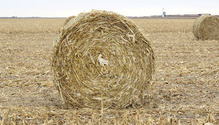
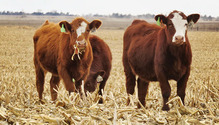
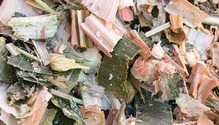
Ammoniation of crop residues can turn a low-quality forage into a medium-quality forage that can maintain a dry cow without supplementation. Given the drought in the Northern Plains and eastern
The success of a grass-fed beef operation relies on getting average daily gains of at least 2 pounds per day. Animals will need to maintain a body condition score of 6 or better
The decision to purchase forage can be easy when stocks are low and forage availability is scarce. Under this scenario, the decision relies on purchasing whatever is available
It makes sense to cover the ground and protect our precious soil and water resources, especially after harvest of corn silage; but why not also produce additional forage?
Margins are precariously thin for cow-calf and stocker operations. As the time has come to hunker down for winter feeding and grazing, harvested forage quality may very well be the determining factor
Due to the current beef-market situation, many producers are evaluating ways to cut costs without negatively impacting production. Feeding cows comprises the largest percentage of annual producti
When talking about interpersonal relationships, we may frequently say, “What I don’t know won’t hurt me.” The flip side of this is saying “Ouch! Knowing that really hurts!”
Summer annual forages (such as pearl millet, sorghum x sudangrass hybrids, etc.) are known for their remarkable ability to grow fast and produce several tons of forage in a short time period, ev