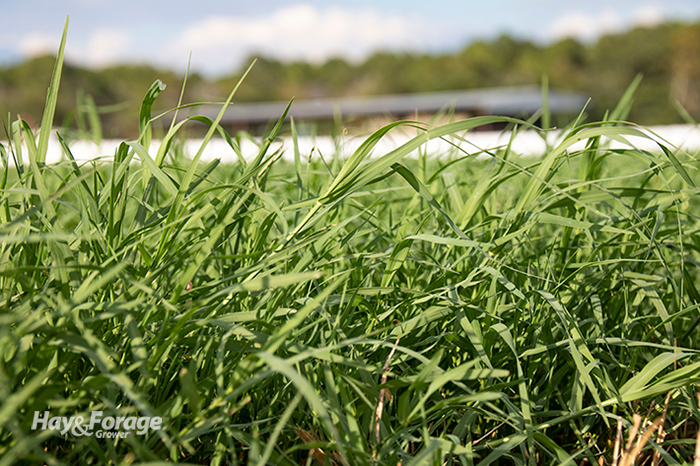
The pasture mealybug — a small, fuzzy, white, invasive pest that feeds on multiple grass species — has been reported and confirmed for the first time on North American soil. Known for causing “pasture dieback” on millions of acres worldwide, the pest now poses a serious threat to our nation’s pastures, hayfields, and livestock operations.
Last week, Texas Agriculture Commissioner Sid Miller issued an urgent alert to notify farmers of the significant damage the pasture mealybug has already done in more than two dozen southeastern Texas counties. Miller also warned producers of the potential the pasture mealybug has to devastate forage production and cause extreme economic losses in the Lone Star State based on its impact on global pastures since its discovery in Australia in 1928.
“If the pasture mealybug spreads across Texas grazing lands like it has in eastern Australia, it could cost Texas agriculture dearly in lost productivity and reduced livestock capacity,” Miller stated. “The Texas Department of Agriculture is working hand-in-hand with federal and university partners to respond swiftly and protect our producers from this unprecedented threat.”
Know the signs
The pasture mealybug feeds on grass at the soil surface, making it difficult to detect early signs. Susceptible species include bermudagrass, bahiagrass, sorghum-sudangrass, johnsongrass, and various bluestem species, among other tropical and subtropical grasses. Patches of yellow pasture, leaf discoloration, and purpling or reddening of forage can occur within a week of infestation.
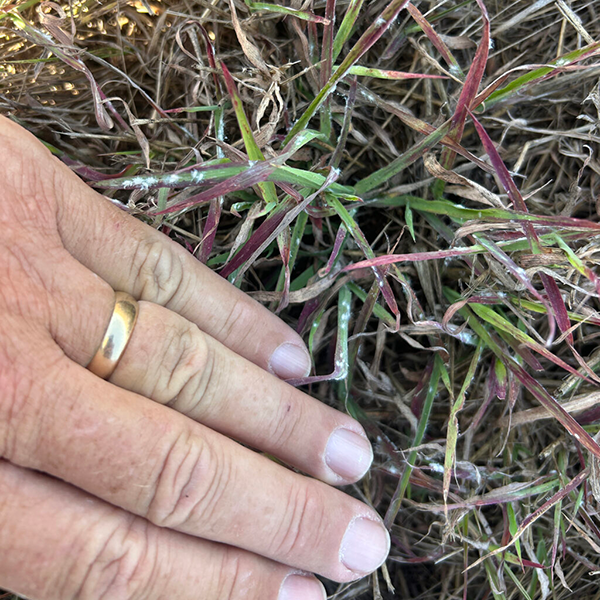
Affected plants develop weakened root systems and can exhibit stunted growth despite adequate rainfall. A Corpus Christie news source states that the combination of the pasture mealybug’s affinity for several types of grass, its hidden feeding patterns, and its rapid reproduction rate — females can produce up to 100 offspring in 24 hours — make it particularly dangerous.
“Immature pasture mealybugs feed by sucking plant sap with piercing-sucking mouthparts and excrete sugary substances called honeydew over the leaves. This substance promotes the growth of sooty-mold fungi, which blocks photosynthesis,” according to this report from Texas A&M AgriLife Extension scientists. With that said, the insect’s saliva is most harmful, which the scientists call “toxic to grass.”
Scouting is a must
The pasture mealybug thrives in hot, humid environments and overwinters in the soil. No labeled insecticide exists to control it; however, research trials are underway to determine the best approach to integrated pest management. Scouting for pasture mealybugs is the only defense farmers have at this point.
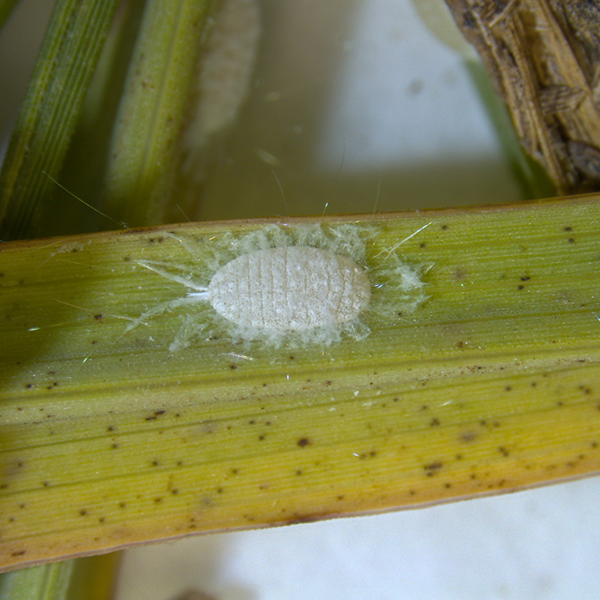
“Early identification is critical, and we need every producer’s eyes on the ground,” Miller asserted. Pasture mealybugs cause feeding damage in the nymph stage, but nymphs are only visible with a magnifier. Adult mealybugs are 2 to 5 millimeters long with fine hairs that extend out on all sides of their oval-shaped bodies. Consider the following tips for effective scouting.
• Search for fluffy, white, waxy, or fuzzy insects on grass blades and stems.
• In addition to grass blades and stems, look for pasture mealybugs at the soil surface, including areas under livestock manure.
• Focus scouting efforts on unmanaged areas like fence lines and ungrazed parts of a pasture.
Texas A&M AgriLife Extension reports that farmers began expressing concerns about pasture dieback and related issues in mid-April, but it was originally assumed the symptoms were caused by the rhodesgrass mealybug, which has been a resident of the United States since 1942. Further investigations have confirmed the presence of the pasture mealybug, which state officials suspect may have crossed the Texas border as early as 2022.
Farmers who observe signs of pasture mealybug infestation in their fields are encouraged to contact the Texas Department of Agriculture at 1-800-835-5832. State and federal officials urge that ongoing reporting will be essential to map the pest’s spread and prevent widespread economic losses.