The author is a dairy nutrition and management consultant with Progressive Dairy Solutions Inc.,and an adjunct professor at the University of Wisconsin-Madison.
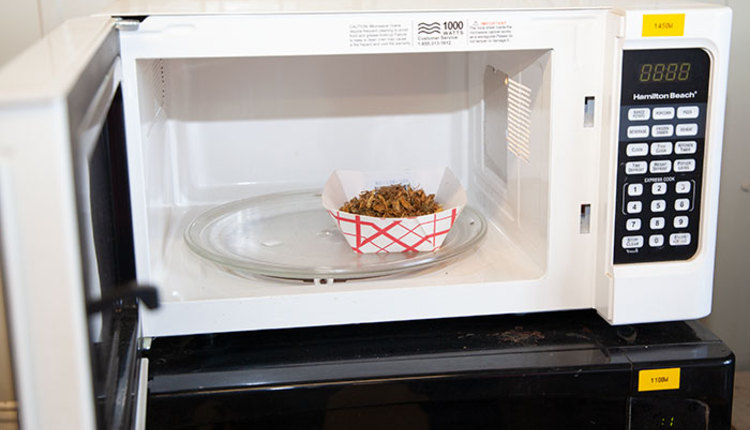
Water does not contribute to your forage economic value when balancing diets or pricing forage. Instead, the water is dried off, and it’s the grams (g) of nutrients and minerals per 100 g of total...
Forage quality is often discussed and written about. Often, through experience, we understand improved fiber and starch digestibility to mean more energy available per pound of silage fed
John GoeserForages bring a variety of different facets to dairy and beef diets. The physically effective fiber and energy values for forages are often the focal point with nutritionists
During the Major League Baseball off-season, the phrase “hot stove league” denotes the period of time when a flurry of team transactions set the stage for the next season
Similar to how my brother (an Air Force pilot) redirects his focus when conditions change, I’ve shifted the focus of my nutrition talks and meetings from discussing ways to boost production or gains
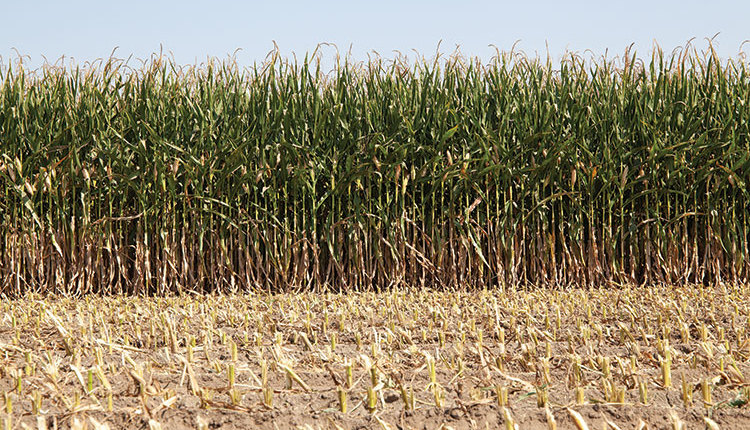
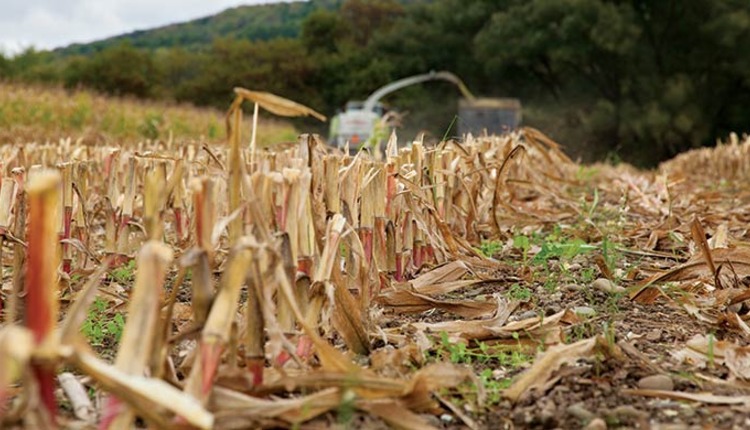
The 2018 corn silage crop is largely in storage. As of the time this article was written, the USDA crop reports had nearly 70 percent of the corn crop rated as good or excellent
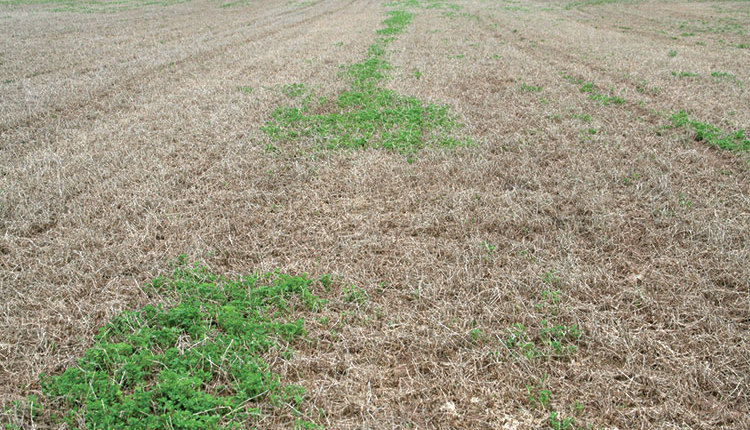
In an already challenging agriculture economy, it may seem like this year has little positive to offer — especially if substantial winterkill of forage stands has occurred on your farm
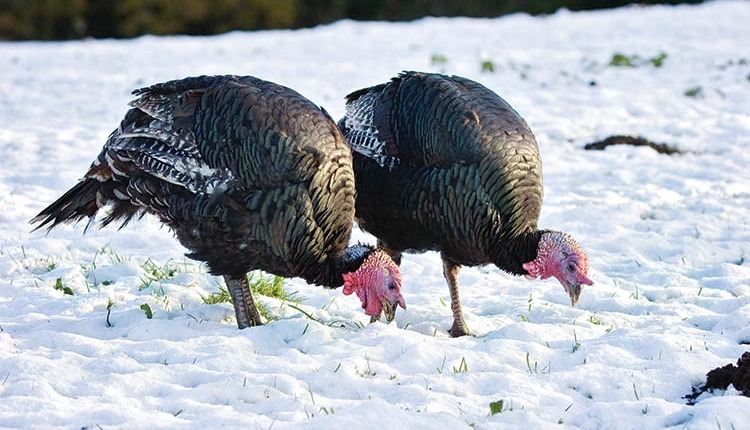
Turkeys and dairy farms or feedyards shouldn’t be mentioned in the same sentence. However, some farmers feed turkeys and birds in addition to feeding their dairy cows or feedlot cattle
In today’s society, many times we focus on the norm and the average. Think about the number of times you’ve read my or others’ work discussing what “average” forage looks...
Corn silage kernel processing score (KPS) continues along with brown midrib (BMR) corn silage and politics as the most heated topics discussed among forage growers, dairy producers, and consulta
Understanding and managing a farm’s inventory should not differ much in concept from that of a grocery store. While the products will be quite different, the end goal is the same. The grocery
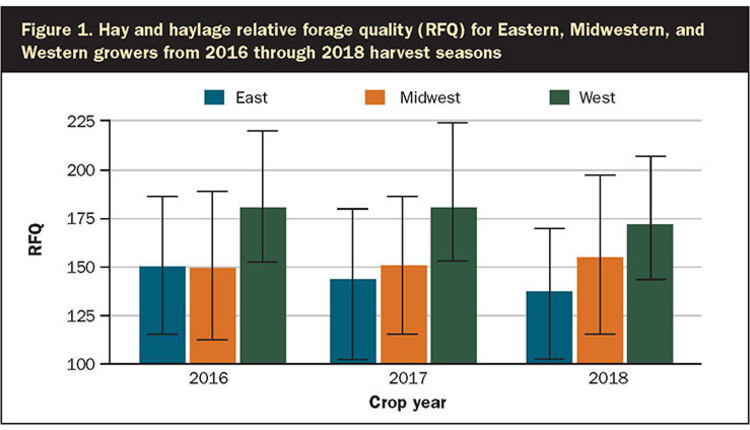
The 2016 crop year was interesting from the East to West. Forage ash, some of which is soil contamination, and anti-nutrition factors (for example, mold, yeast, mycotoxins, and negative bacteria
Yield versus quality: What is more important? Which is easier to comprehend? When interacting and facilitating discussions during forage planning meetings, the conversations regarding yield
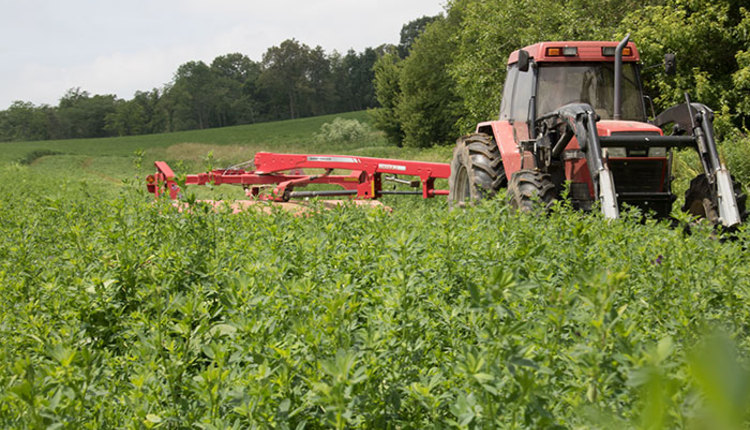
There are different paths to optimal forage quality and animal performance for hay and haylage crops versus corn silage. With hay and haylage crops, cutting the crop at the correct plant maturity is a...
Fermentation is a wonderful process, and fermented feeds can be successfully stored for years. For example, following a drought and lesser forage inventories within the Midwest several years ago