-
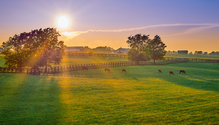
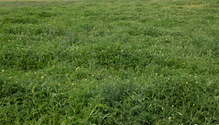
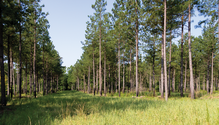
Overall Winner: High-Quality Winter Grazing
Stockpiled clover and tall fescue provide high-quality winter grazing in the transition zone located between the sub-tropical southern and temperate northern areas of the U.S. Photo by Chris Teutsch, Virginia Tech forage specialist
-
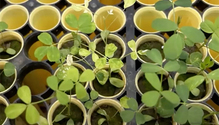
Winner In Education Class: Forage Brassicas As An Alternative Winter Annual
In Arkansas, brassicas were broadcast-planted between the end of August and the first of September into disturbed sod. They produced yields ranging from 1,500 lbs to 3,000 lbs of dry matter in 60 days. Brassicas are highly nutritious with crude protein ranging from 18% to 33% and total digestible nutrients ranging from 72% to 89%. Photo by Kenny Simon, University of Arkansas forage program assistant
-
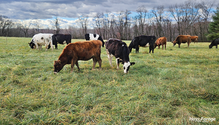
Winner In Grazing Class: Winter Grazing In The Foothills
Steers grazing rye at the Clemson Forage Research Farm in the backgrounding phase of a 2012 finishing experiment. Notice the clean grazing lines. Stocking density was about 25,000 lbs/acre and the 70-day average daily gain for this period was 2.5 lbs. Photo by Asher Wright, Clemson University student
-
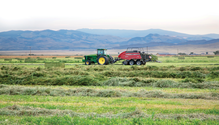
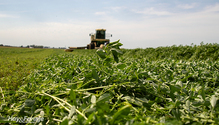
Winner In Harvested Forages Class: The Sandhills
Reed canarygrass hay at the University of Nebraska Gudmundsen Sandhills Laboratory. Photo by Gordon Jones, Virginia Tech
-
Winner In Wildlife & Conservation Class: Come A Little Closer Said The Spider
Healthy pastures provide shelter for many creatures, like this spider and ant. Photo by Sharon Freeman, North Carolina State University
-
Education Class: 2012 KFGC Field Day
"I sure hope pap doesn't catch them riding around in the alfalfa field." Photo by Christopher Geralds, who farms with his father, Clayton Geralds, Munfordville, KY
-
Education Class: Brahman Calves Showing Off
Brahman calves show off during a farm tour at the 2012 Southern Pasture and Forage Crop Improvement Conference held in San Juan, Puerto Rico. Photo by Chris Teutsch, Virginia Tech forage specialist
-
Grazing Class: Waiting For Breakfast
Cow/calf herd waiting to move to its daily ryegrass/clover allotment, with recently grazed paddocks in foreground. Photo by Sharon Freeman, North Carolina State University
-
Grazing Class: Homestead
This photo was taking with a small toy film camera with multiple lenses. Photo by Jerry Rawlings, Black Hills State University, Spearfish, SD
-
Grazing Class: Extending The Number of Grazing Days/Acre
In Arkansas planting a mixture of forage turnip with ryegrass into bermudagrass sod will increase the number of grazing days per acre. The combination of annuals will provide high-quality green forage for grazing when bermudagrass has limited production. Photo by Kenny Simon, University of Arkansas forage program assistant
-
Grazing Class: Forage Brassicas for Grazing
Forage brassicas are a cost-effective option that many Arkansas producers are beginning to utilize to extend the grazing season. Brassicas can produce high yields of palatable and nutritious forage for livestock during periods when perennial forages have limited production. Photo by Kenny Simon, University of Arkansas forage program assistant
-
Grazing Class: Sunrise
An early morning in August at Warren Wilson College Farm in Swannanoa, NC. Photo by Gordon Jones, Virginia Tech
-
Grazing Class: Winter Grazing
Yearlings strip-graze stockpiled tall fescue in North Carolina's Swannanoa Valley on Warren Wilson College Farm. Photo by Gordon Jones, Virginia Tech
-
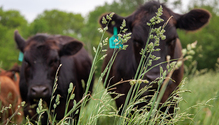
Grazing Class: Grass Eye View
Looking up through stockpiled tall fescue at the cows. Photo by Jason Tower, farm manager, Southern Indiana Purdue Agricultural Center
-
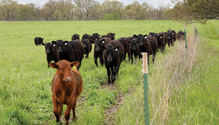
Grazing Class: Where's The New Grass?
Cows line up on a fresh strip of stockpiled forage. Photo by Jason Tower, farm manager, Southern Indiana Purdue Agricultural Center
-
Harvested Forages Class: Busy Day
Harvesting 30 acres of timothy in a nice, flat creek bottom. ("I bet Pap wishes that I would quit taking pictures and help him get all those bales picked up.") Photo by Christopher Geralds, who farms with his father, Clayton Geralds, Munfordville, KY
-
Harvested Forages Class: Just Another Day At The Office
Cutting an alfalfa-orchardgrass mix on rolling hillside fields. Photo by Christopher Geralds, who farms with his father, Clayton Geralds, Munfordville, KY
-
Harvested Forages Class: Crabgrass Seeds
Crabgrass, commonly considered a weed by many, provides high-quality summer grazing for more than 600,000 cows in Virginia. In this photo, crabgrass seeds cover a license plate after a morning drive through a cattle pasture. Photo by Chris Teutsch, Virginia Tech forage specialist
-
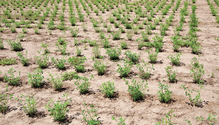
Open Class: Early Growth
Crimson clover and Marshall ryegrass seedlings planted for late-winter grazing. Photo by Sharon Freeman, North Carolina State University
-
Open Class: OCD
"Pap insists on spraying this field for weeds again, but I really don't see why." Photo by Christopher Geralds, who farms with his father, Clayton Geralds, Munfordville, KY
-
Open Class: If Alfalfa Is The Queen Of Forages, Then These Are The Kings Of Forages
Warren Thompson (Kentucky) and John Baylor (Pennsylvania) share a laugh as they recall their many works promoting forages. Photo by Thomas Keene, University of Kentucky hay marketing specialist
-
Open Class: Experienced Hay Tester
Hay quality is all about age: the younger the better. (This hay tester is the son of a bermudagrass hay producer in central Florida.) Photo by Yoana Newman, University of Florida Extension forage specialist
-
Open Class: Farm Views
Reflections of cows on a farm pond grazing stockpiled fall fescue. Photo by Jason Tower, farm manager, Southern Indiana Purdue Agricultural Center
-
Open Class: Forage Fog And Cows
Cows coming out of the fog for a new strip of stockpiled forage. Photo by Jason Tower, farm manager, Southern Indiana Purdue Agricultural Center
-
Wildlife & Conservation Class: Horses
Horses running in pasture. Photo by Jerry Rawlings, Black Hills State University, Spearfish, SD
Beautiful shots of forage in the field, the animals that consume them and even people who have spent their professional careers working to increase forage quality were on display at the January American Forage & Grassland Council annual meeting and conference in Covington, KY. The annual photo contest allows conference goers to see what these university researchers, producers and forage industry representatives see. The first five photos took top honors in the annual contest.