Dec. 15 2015 There are two ways to approach a problem: Walk away from it or try to solve it. In the latter case, when people become invested in an idea they want to make work — hurdles or not —
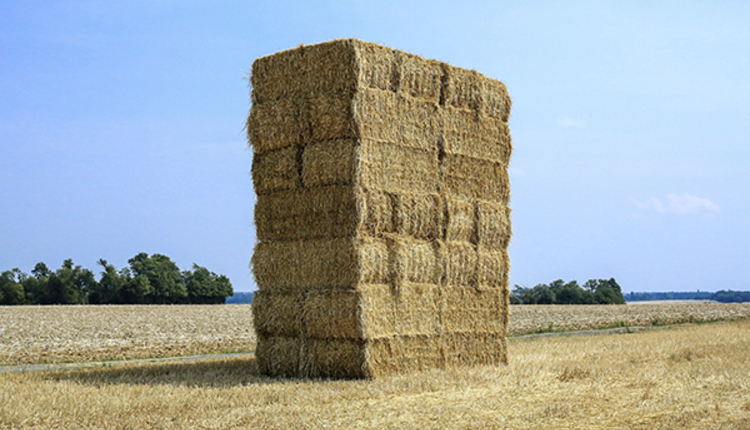
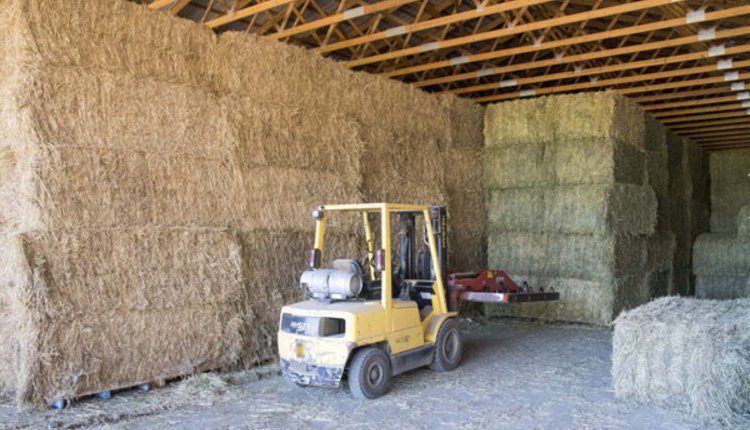
Dec. 8 2015 It's often said that you can't avoid death and taxes. You can also add hay quality losses during storage to the list. Glenn Shewmaker, extension forage specialist at the University of Idaho, report
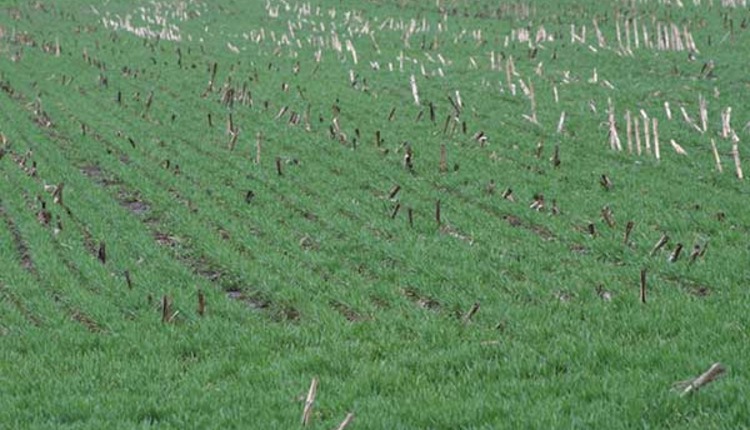
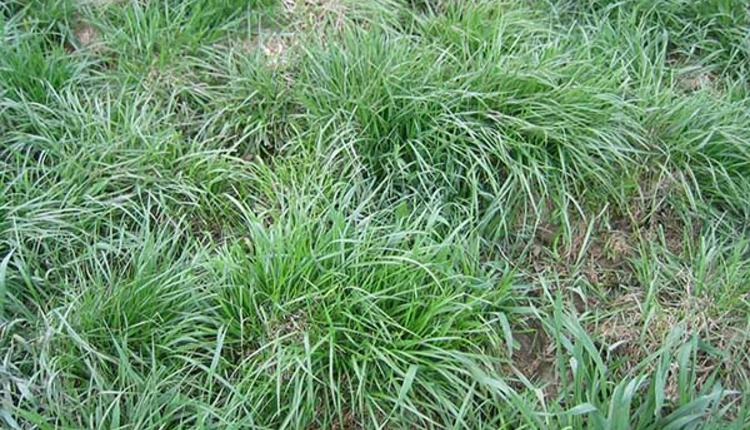
Dec. 1 2015 By all accounts, winter rye is in a renaissance. Cover crop craze aside, the rebirth of winter rye appears to be driven more by its utility as a forage crop, especially in the corn silage growing areas...
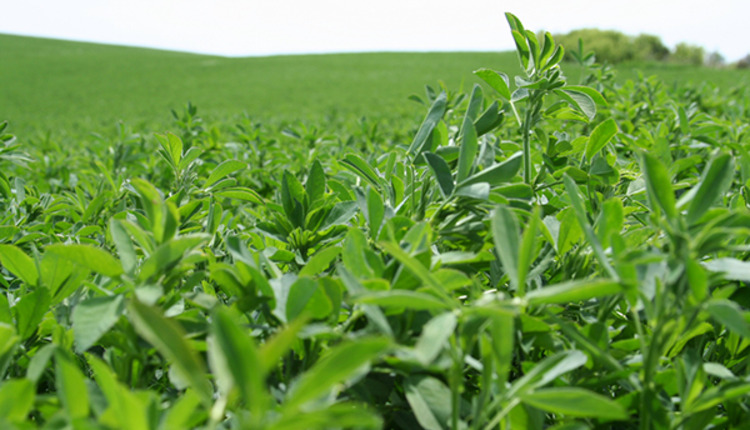
Nov. 24 2015 The reduced-lignin alfalfa era is barely out of the starting gate, and though we don't know for sure what its magnitude of impact will be, most industry experts agree that it will be significan
Nov. 17 2015 For many livestock producers, the onset of winter means digging into those stored forage inventories with the realization that any forage additions can only be accomplished by the writing of a large check....
Nov. 10 2015 Typically, a relatively small publishing company doesn’t also own and operate a commercial dairy farm, or any other kind of farm for that matter. But, such is the case at the W.D. Hoard & Sons C
Nov. 10 2015 "Feeding silage is much different than feeding hay," notes Dennis Hancock, extension forage specialist for the University of Georgia. "Because it's wetter, deterioration becomes a factor whe
Nov. 2 2015 Agriculturally, you might call it dormant or fallow. That’s been the status of Hay & Forage Grower magazine since late last year when its publisher terminated the publication
Oct. 27 2015 At the 2014 California Alfalfa, Forage and Grain Symposium in Long Beach, Dan Putnam made a case to change the standards by which we evaluate and market hay. The University of California forage
Oct. 20 2015 It doesn't matter where you hang your hat or pay taxes, alfalfa will not grow or be productive unless soil pH is 6.5 or higher (preferably 6.8 to 7.0). According to the Alfalfa Management Guide (Nort
Oct. 13 2015 The day will come when all good alfalfa stands must say good-bye. Perhaps it’s low productivity, maybe it’s weed encroachment, or it could be a planned rotation adjustment. Whatever the case,...
Oct. 6 2015 Gather the women and children and buckle your seatbelts because the great low-lignin alfalfa field experiment is about to begin. It’s been a long time coming
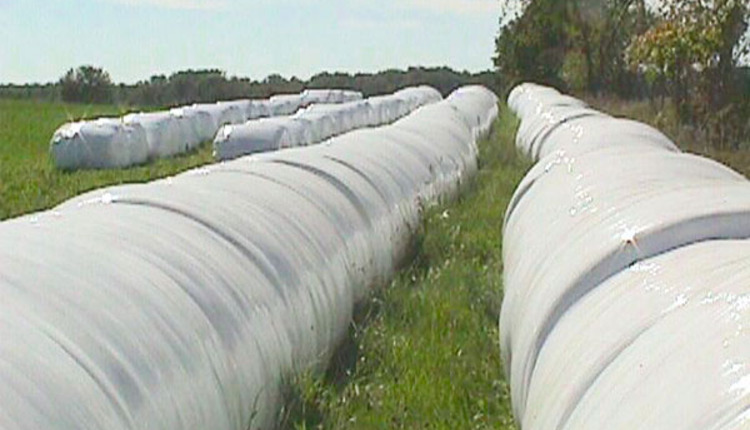
Sept. 29 2015 Large round bales have been a popular hay package for many years. To see them piled or rowed outdoors along fields and buildings has become a part of the rural landscape in many parts of the cou
Sept. 22 2015 The words “legislation” and “effective” are not often viewed as synonymous, especially between the political mules and elephants. Over the years, however, our national decision-makers
Sept. 15 2015 For those who have been stomping around cornfields long enough, you’ll remember when corn silage processors first entered the scene. There was a flurry of discussion whether this new technology was
Sept. 8 2015 At the Hoard's Dairyman Farm, fourth-cutting alfalfa was put to bed about two weeks ago, ahead of most years. The final cutting grew under some very dry conditions
Sept. 8 2015 In the current world of agriculture where technology rules the day, there is one forage feel good story that is founded on nothing more than keen observation
Sept. 8 2015 Labor Day has come and gone. Though most farmers focus on harvest this time of year, it's also a time to be thinking more specifically about potassium from several forage crop fronts. Alfalfa
Sept. 4 2015 Southwest Missouri is hot and humid in the summer, prone to drought, can experience extreme cold in the winter, and is home to vast amounts of native, endophyte-infected tall fescue. Nevertheles
Sept. 1 2015 In years when early-season monsoon rains cause delayed planting of corn, there is often more than the usual amount of late-maturing standing corn that gets sold for silage harvest