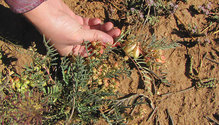
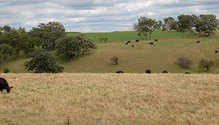
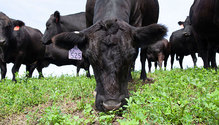
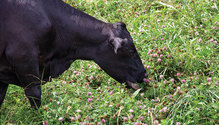
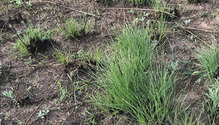
Found across western North America, locoweed (also called milkvetch) is an ever-present concern for livestock grazers, particularly in the early spring and late fall
No-till planting methods have been in existence for decades and while this method of establishing crops has grown in acceptance, there is still a lot of tillage being used
The concept is pretty simple: Keep pastures growing and keep animals eating.A lot goes into that first part of the equation — adequate soil fertility for sure.But there’s also the challenge
John F. Kennedy, in his 1962 State of the Union Address, said, “The time to repair the roof is when the sun is shining.” This little bit of wisdom is good advice for living our lives, but
Through a Conservation Innovation Grant from USDA Natural Resources Conservation Services, the University of Missouri is developing tools to improve the yield and nutritive value of pasture forages
Making hay is an expensive and time-consuming process, said grazing consultant Jim Gerrish. The price of equipment, fuel, labor, and fertilizer continues to rise, while the value of animal products remain
Over the past few years, we have seen many instances where cattle grazed annual forages that, when tested for nitrates, were considered toxic, and yet the cattle had no adverse health ef
Technology in the livestock industry is catching up to our brethren on the cropping side. We can now point to livestock activity monitors, robotic milkers, GPS livestock tracking systems, and pasture
Whether you have a quarter acre lawn or 1,000 acres of pasture, the landscape’s spring green up never gets old regardless of how many times you’ve seen it. It’s as though God is offering
Many livestock producers view the practice of grazing alfalfa as a form of Russian roulette. The differences of opinion among this group usually comes down to how many of the chambers they think are o
Legumes make immeasurable contributions to forage agriculture. Producers depend on them to add yield, nutritional quality to pastures and hay, and to improve animal gains
When ranching at 7,200 feet above sea level, hay is a winter necessity. In order to find ways to reduce the costs associated with feeding harvested feed, one must get creative
Before deciding whether to topdress additional fertilizer for a spring grazing turn, you should consider several factors. Below are a few questions that will help you decide whether and how much
Solving some present-day problems requires revisiting decades-old knowledge. This is the case for pasture decline observed in recent years in Florida beef cow-calf operations
The beef industry has been an extensively managed production system for decades. Small profit margins have supported the necessity to minimize input costs
Southern beef cattle producers need to think beyond just grazing bermudagrass or bahiagrass from May through mid-October and feeding hay for the duration of the calendar year. That was the essence of